Smokeless Inhaler Product Development Process for B2B Projects
Develop a nicotine-free aromatic inhaler through a
structured process covering project definition,
manufacturability, product configuration, samples,
engineering, tooling, pilot production, quality review and
commercial release.
Development Begins with a Defined Commercial Objective
Product format, market, channel, quantity, customer
expectations and customization depth should be clarified
before engineering and tooling decisions are made.
How does SMOHABIT develop a custom product?
SMOHABIT begins with the buyer’s commercial and technical
requirements, reviews feasibility, defines the product and
packaging configuration, prepares samples or prototypes,
validates the approved solution and then evaluates tooling,
pilot production and commercial manufacturing. The exact
process depends on whether the project adapts an existing
product platform, modifies selected components or requires a
new product structure.
Three Development Pathways
Not every project requires a completely new product.
The most appropriate pathway depends on the buyer’s differentiation
requirements, budget, target quantity, development risk and launch
schedule.
Pathway 01
Existing Platform Adaptation
Begin with an existing disposable or refillable SMOHABIT
platform and adapt selected commercial elements.
Existing product structure
Selected colors or external designs
Existing aroma directions
Logo and packaging development
Lower technical-development complexity
Pathway 02
Partial Product Modification
Modify selected components, materials, surfaces, aroma
systems or packaging while retaining part of an existing
product architecture.
Selected component changes
Material or surface evaluation
Custom aroma-system review
Partial tooling requirements
Prototype and validation process
Pathway 03
New Product Development
Evaluate a new structure or product concept based on a
detailed technical and commercial brief.
New external or internal structure
Component and material development
Engineering drawings or references
New tooling and prototype requirements
Higher MOQ, cost and validation needs
Eight-Stage Development Process
Move from an initial idea to an approved production standard.
Some stages may be combined or repeated according to project
complexity and development findings.
01 / BRIEF
Define the Project
Confirm the target market, sales channel, product concept,
intended user, quantity, packaging and customization goals.
02 / FEASIBILITY
Review Manufacturability
Evaluate product structure, materials, components, aroma,
tooling, production method and commercial feasibility.
03 / DEFINITION
Define the Configuration
Establish the intended product format, components, external
design, aroma system, packaging and approval criteria.
04 / SAMPLE
Prepare Samples
Prepare available samples, appearance references,
prototypes or development samples according to project
needs.
05 / VALIDATION
Review and Revise
Compare the sample against the approved requirements and
record any necessary revisions before proceeding.
06 / TOOLING
Develop Production Tools
Where required, confirm tooling scope, production process,
development cost, ownership terms and approval references.
07 / PILOT
Conduct Pilot Production
Review whether the approved product and packaging can be
produced consistently under the intended process.
08 / RELEASE
Approve Commercial Production
Confirm the applicable specification, approved sample,
artwork, quality requirements and commercial-order details.
Development is an iterative process. A project may return to an
earlier stage when sample review, tooling trials, material
availability, production testing or buyer feedback identifies a
required change.
Product Development Brief
A clear brief reduces assumptions and unnecessary revisions.
Product development should begin with the commercial
problem the product is intended to solve, not only a
drawing or visual reference.
The buyer should identify the target customer, channel,
positioning, product structure, quantity, packaging and
market requirements as clearly as possible.
01 / COMPANYBuyer Information
Company, website, country, business model and project
decision-makers.
02 / MARKETTarget Country
Intended launch market and known import, labeling or
channel requirements.
Material Compatibility
Review whether proposed materials are suitable
for the intended component and aroma system.
03
Manufacturing Process
Identify relevant injection, machining, metal,
surface, assembly or packaging processes.
04
Tooling Requirements
Determine whether existing tooling, partial
modification or new tooling is required.
05
Commercial Feasibility
Review development cost, MOQ, expected volume
and intended product positioning together.
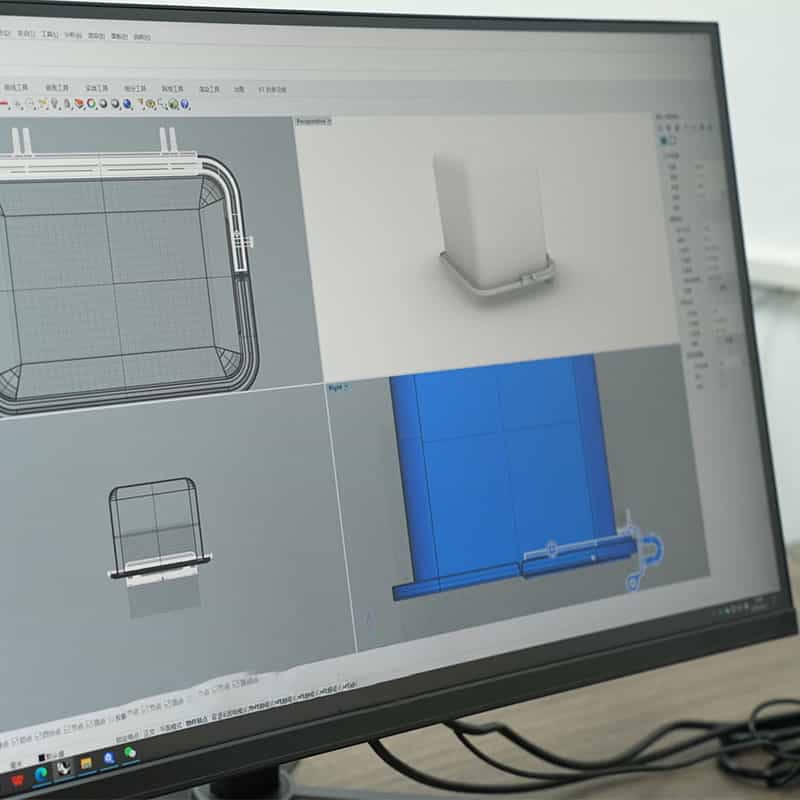
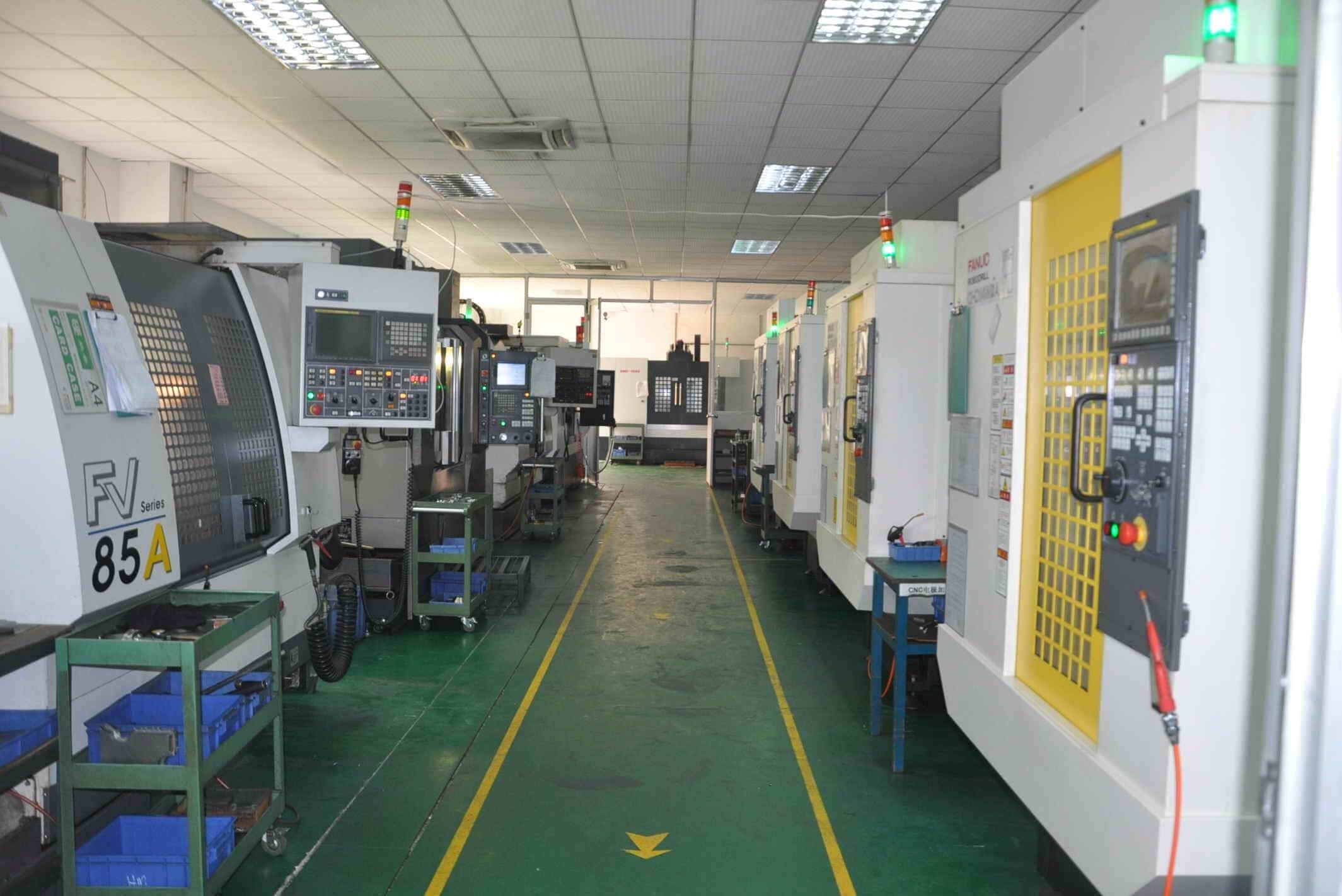
Engineering and Tooling Support
Translate the approved design into repeatable production processes.
Available capabilities may support selected product components and
configurations. The exact production route is confirmed during
feasibility review.
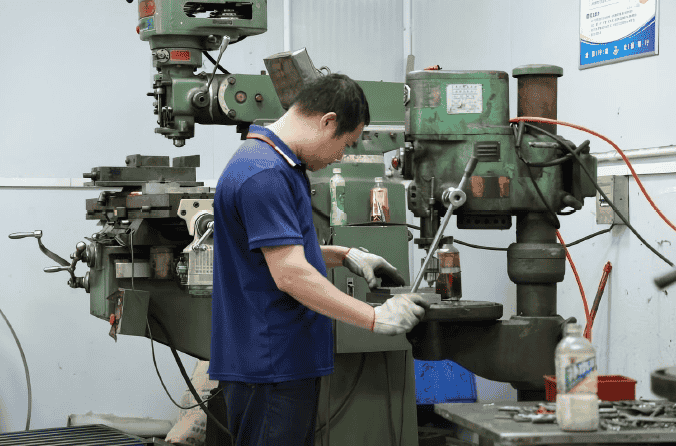
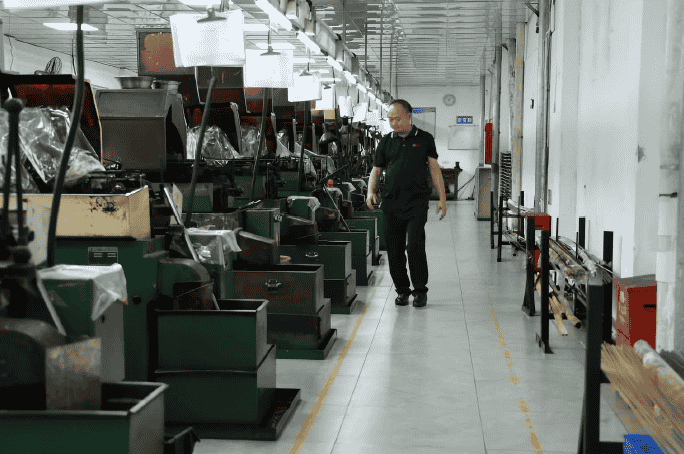
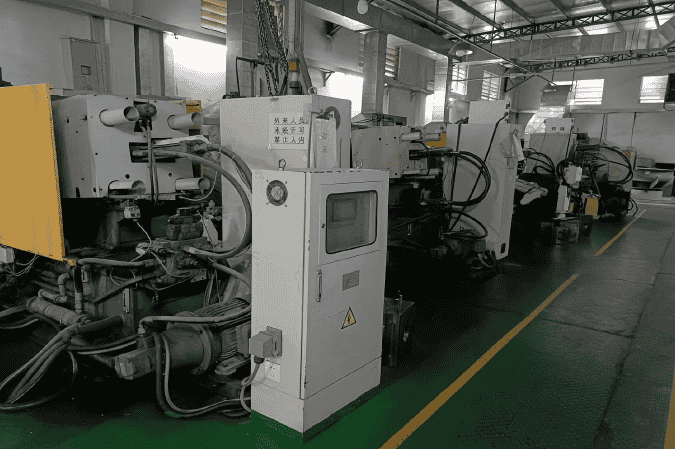
Mold Processing
Selected tooling projects may involve mold processing
according to the approved component design and
production method.
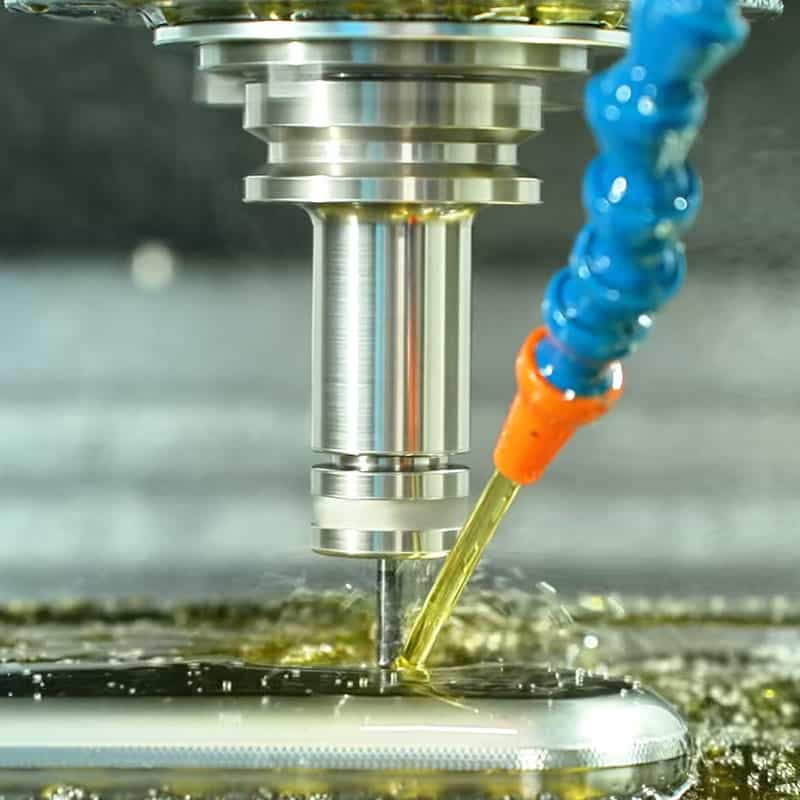
CNC Machining
CNC capabilities may support selected mold, tooling or
component-development requirements.
Precision Processing
Wire cutting and related processes may support selected
tooling dimensions and component features.
Tooling Finishing
Grinding and finishing may be used where required by the
selected mold, tool or production component.
Tooling feasibility, costs, maintenance, ownership, modification
rights, storage and future use must be confirmed in the applicable
written quotation or agreement. No tooling-ownership assumption
should be made without written terms.
Samples, Prototypes and Validation
Different samples answer different development questions.
A visual sample is not automatically a final production standard.
The approval purpose of each sample should be stated clearly.
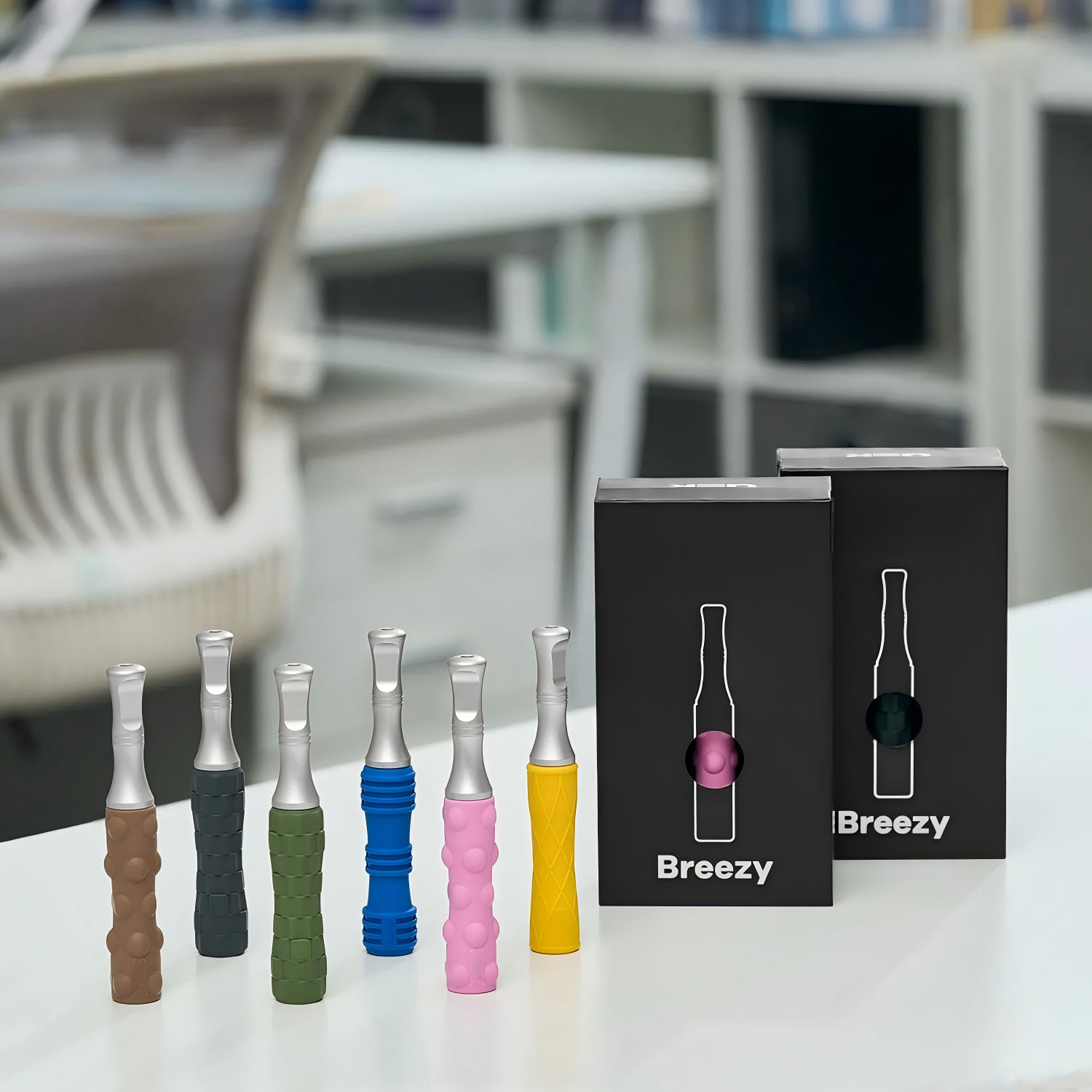
Product Reference
Existing Product Sample
Used to evaluate an available product platform before
deciding whether adaptation or deeper development is
required.
General product format
Existing structure and handling
Available colors and external designs
Existing aroma directions
Commercial-platform evaluation
Development Review
Prototype or Appearance Sample
Used to review selected design, dimensions, appearance,
component arrangement or packaging concepts.
Visual and dimensional review
Component relationship review
Material and surface reference
Packaging concept evaluation
Revision identification
Production Approval
Pre-Production Sample
Used to confirm the intended commercial product and
packaging before production release.
Approved product configuration
Applicable aroma system
Logo and packaging artwork
Pack contents and identification
Production-reference approval
Product-System Integration
Product structure, aroma and packaging should be developed together.
These elements affect customer understanding, manufacturing,
storage, inventory, shipping and commercial positioning.
Aroma System Development
Match the aroma to the product platform.
Aroma evaluation should consider the selected product,
carrier, refill method, customer expectations, sample
process and destination-market requirements.
Existing aroma-direction evaluation
Custom aroma feasibility review
Product and carrier compatibility
Sample approval and identification
Claim-conscious aroma descriptions
Applicable documentation review
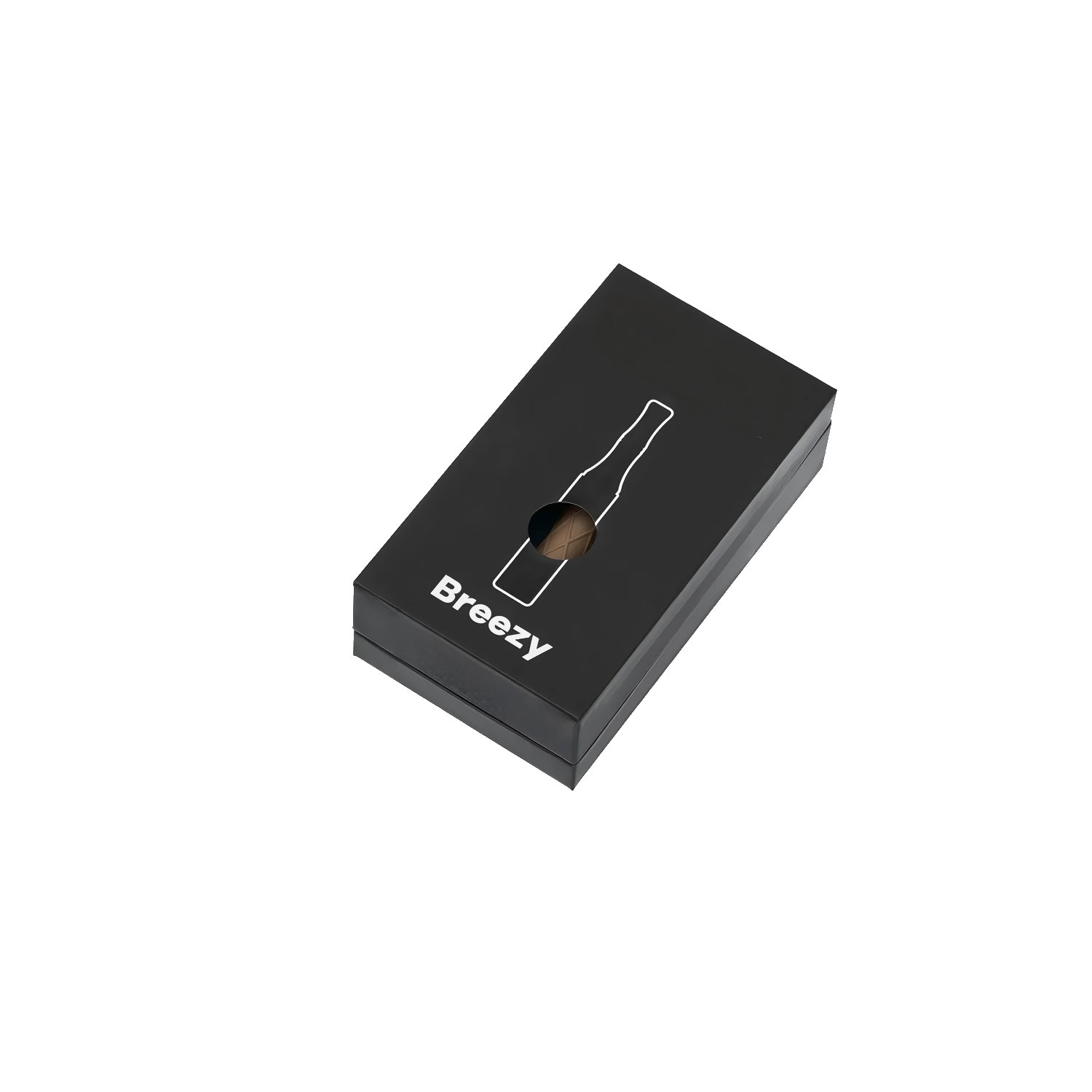
Packaging Development
Design packaging around the product and channel.
Packaging should protect the selected product, explain
its non-vape identity and support the intended retail,
eCommerce or distribution environment.
Retail box and inner support
Starter set or multipack configuration
Instructions and warnings
Barcode and identification areas
Master-carton planning
Destination-market artwork review
Pilot Production and Quality Review
Confirm the production process before commercial scale.
Pilot production may be required for selected new or
modified products before full commercial release.
The purpose is to review the product, assembly,
packaging, quality checkpoints and manufacturing
records under the intended production route.
Do the approved components assemble and interact
as intended?
Approve, adjust components or revise assembly.
Appearance
Does the product match the approved visual and
surface reference?
Approve or revise color, print or finish.
Aroma System
Is the approved aroma system correctly matched
to the selected product?
Approve or review preparation and identification.
Assembly Process
Can the product be assembled through the
intended manufacturing process?
Confirm process or introduce corrective actions.
Packaging
Do the product, insert and package fit and
identify the SKU correctly?
Approve or revise packaging construction.
Quality Criteria
Are the applicable inspection and approval
references sufficiently clear?
Confirm or revise project-quality requirements.
Commercial Release
Has the buyer approved the production reference,
artwork and purchase requirements?
Release, hold or return for revision.
Approval and Change Control
Protect the approved standard after development.
Product, artwork, aroma, components and packaging should not be
changed informally after approval.
01 / REFERENCE
Approved Sample
Identify the sample, image, specification or signed
reference used for commercial-production comparison.
02 / DOCUMENT
Approved Specification
Record the applicable configuration, materials, components,
packaging and project requirements.
03 / CHANGE
Written Revision
Evaluate any proposed product or packaging change before it
is introduced into production.
04 / RELEASE
Buyer Approval
Confirm material changes that affect appearance,
specification, packaging, claims, cost or delivery.
Development Cost, MOQ and Timing
Commercial terms depend on development depth.
Existing product adaptation normally requires fewer
development resources than a new structural or tooling
project.
Development fees, sample costs, tooling charges, testing
costs, packaging charges or other project-specific costs
may apply and are confirmed after feasibility review.
Reference MOQ starts from approximately 1,000 units for selected SMOHABIT-branded market-testing orders.
Reference MOQ starts from approximately 3,000 units for selected logo and packaging customization projects.
Final MOQ depends on product format, packaging configuration, aroma system, customization depth and production requirements.
Initial Review
Based on the available buyer brief, product references,
quantity and customization scope.
Samples
Sample type, quantity, cost and freight depend on the
development stage and required evaluation.
Engineering
Engineering or development charges may apply to selected
structural, material, component or packaging projects.
Tooling
Tooling scope and cost are confirmed after product and
manufacturing feasibility are reviewed.
Pilot Production
Pilot requirements depend on product novelty, tooling,
components, process risk and approval needs.
Commercial MOQ
New tooling, custom components or deeper development may
require a higher MOQ than existing product adaptation.
Development Timeline
Confirmed according to project complexity, sample
revisions, tooling, validation, artwork and production
scheduling.
Final Quotation
Prepared after sufficient product, packaging, quantity
and delivery information has been confirmed.
Confidentiality and Project Ownership
Confirm important development terms in writing.
Confidentiality, intellectual-property, tooling and ownership
expectations should be discussed before sensitive information or
substantial development resources are committed.
Confidential Information
Define document handling
Confidentiality requirements and the handling of drawings,
specifications, formulas, commercial information or other
sensitive materials can be discussed before disclosure.
Any NDA must be separately reviewed and confirmed in
writing.
Tooling and Development Assets
Avoid ownership assumptions
Tooling ownership, storage, maintenance, future use,
modification rights and transfer conditions must be
established through the applicable written quotation or
agreement.
Intellectual Property
Confirm the legal framework
Patent, design, trademark, copyright, technical ownership
and third-party-rights questions should be reviewed by the
buyer and addressed in written project terms where
applicable.
Product Development FAQ
Questions buyers ask before beginning development.
Final feasibility, cost, MOQ, samples, tooling and timing
depend on the specific technical and commercial project.
What is the first step in a product-development project?
The first step is a clear product brief covering the
buyer, target market, sales channel, intended user,
product concept, required quantity, customization,
packaging, documentation and target timeline.
Does every custom project require a new mold?
No. Some projects can use an existing product platform
with logo, packaging, color, aroma or selected component
changes. New tooling is evaluated only where required by
the intended product structure or component.
What is the difference between a sample and a prototype?
An existing product sample demonstrates an available
platform. A prototype or development sample is prepared
to review selected dimensions, structure, appearance,
components or another project-specific requirement. The
purpose of each sample should be stated before approval.
Can SMOHABIT develop a new product shape?
A new shape or structure may be evaluated through the
OEM/ODM process. Feasibility depends on the technical
brief, materials, dimensions, components, tooling,
expected quantity, development cost and production
requirements.
Can the aroma system be customized?
Selected custom aroma projects may be reviewed according
to the intended product, aroma direction, carrier,
compatibility, sample process, quantity, target market
and documentation requirements.
How many prototype revisions are included?
There is no universal revision allowance. The number,
scope and cost of samples or revisions must be confirmed
in the applicable quotation or development agreement.
How long does product development take?
Development timing depends on project complexity,
availability of information, sample revisions,
components, tooling, testing, packaging and buyer
approvals. A project schedule is prepared only after the
scope is sufficiently defined.
Who owns the mold or tooling?
Tooling ownership must not be assumed. Ownership,
storage, maintenance, modification, future-use and
transfer terms must be confirmed in writing for the
specific project.
Does SMOHABIT sign NDAs?
Confidentiality requirements can be discussed before
sensitive information is shared. Any NDA must be
reviewed and confirmed separately in writing.
Can development begin without an estimated order quantity?
An approximate pilot quantity, first commercial order
and annual forecast are important because product
architecture, tooling and cost may not be commercially
appropriate for every quantity level.
Does product development guarantee local market approval?
No. SMOHABIT provides available product,
manufacturing and documentation information. Buyers
remain responsible for confirming destination-market
classification, import, labeling, advertising,
marketplace and sales requirements.
Continue Your Development Review
Review related manufacturing and customization capabilities.
Turn your commercial objective into a defined product brief.
Share your company, target market, sales channel, intended
customer, product concept, reference files, estimated
quantity, packaging requirements, documentation needs and
target timeline. The SMOHABIT team will review the
appropriate development pathway, feasibility, samples, MOQ
and project-based quotation.
SMOHABIT products contain no nicotine, no tobacco and no e-liquid,
produce no vape aerosol, and are not vaping products. Products are
intended for adult users and are not intended to diagnose, treat,
cure or prevent any disease. They are not smoking cessation
products or medical devices.
Start Your Private Label Project
Share your target market, sales channel and customization requirements. We’ll recommend the most suitable OEM solution.