SMOHABITSmokeless Habit Alternatives Request Samples
Start Your Private Label Project

Share your target market, sales channel and customization requirements. We’ll recommend the most suitable OEM solution.

OEM and ODM development

Smokeless Inhaler OEM and ODM

Turn a product brief into an approved inhaler specification, prototype, tooling plan and controlled production route.
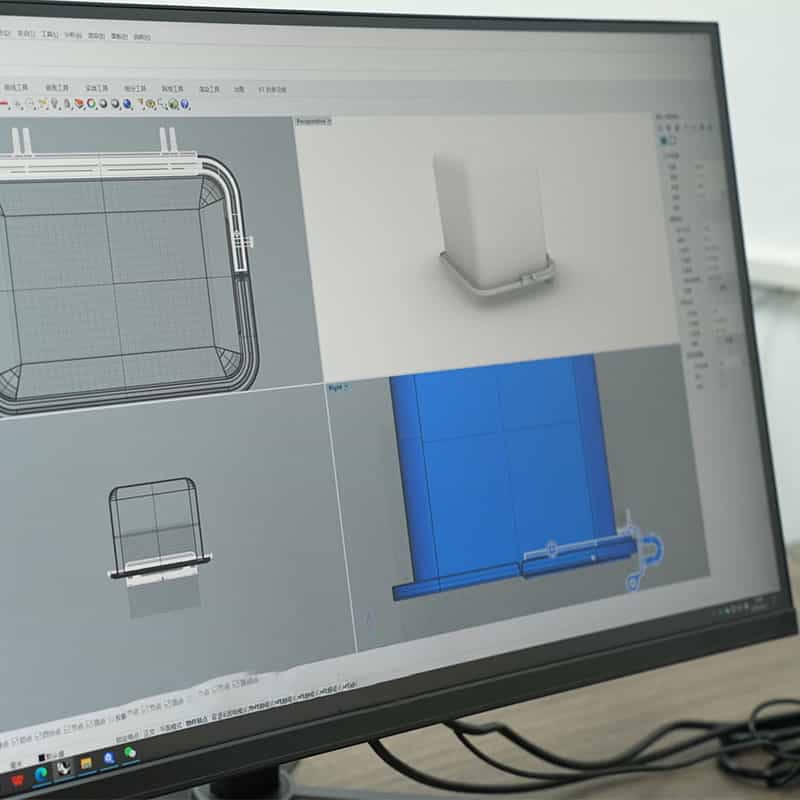
Product structure being reviewed in design software for a SMOHABIT OEM and ODM project
Product structure review in design software before prototype and tooling decisions.

Choose the correct development route.

The required engineering depth determines the review process, evidence, commercial assumptions and approval gates.

OEM

Modify a defined product platform.

Use this route when buyer requirements call for structural, component, material, appearance or process changes to an existing product basis.

ODM

Develop with manufacturer support.

Use this route when feasibility, engineering, prototypes, tooling, pilot validation and production release need to be connected as one project.

Private label

Brand an existing product.

For logo, aroma and packaging work on an existing platform, use the focused private-label route.

Review Private Label
No universal MOQ

MOQ, development cost and lead time are evaluated against product structure, tooling, process setup, packaging and the proposed production plan.

Start with a decision-ready project brief.

A clear brief separates a product idea from an engineering request that can be reviewed for feasibility.

Responsibility boundary

SMOHABIT reviews available manufacturing and development options. The buyer approves requirements, claims, market assumptions and destination-market obligations.

Product intentTarget format, use scenario, buyer type and intended product difference.
Technical inputsDimensions, materials, components, drawings, performance expectations and prohibited changes.
Commercial frameTarget quantity, launch window, market, packaging level and budget assumptions.
Review outputFeasibility position, open questions, proposed route, required evidence and quotation basis.

One stage-gate route from brief to production.

Each gate should close an uncertainty before the project moves into the next cost or production commitment.

Define briefConfirm the intended product difference and project constraints.
Review feasibilityIdentify assumptions, risks, dependencies and a viable route.
EngineerDevelop the applicable structure, component and process definition.
PrototypeTest the proposed direction before commercial tooling decisions.
Approve toolingFreeze the approved basis for mold, tooling and process setup.
Validate pilotCompare pilot output with the approved product and control plan.
Release productionAuthorize commercial production against the controlled standard.

Engineering evidence belongs to the decision.

Images are connected to a review output, approval or open question. They are not used as decorative factory content.
Prototype tooling used during product development review
Prototype tooling used to review structure before commercial tooling.
Model and casting evidence used to evaluate a product structure
Model and casting evidence for product structure evaluation.
Development model used before commercial tooling approval
Development model used before final approval.
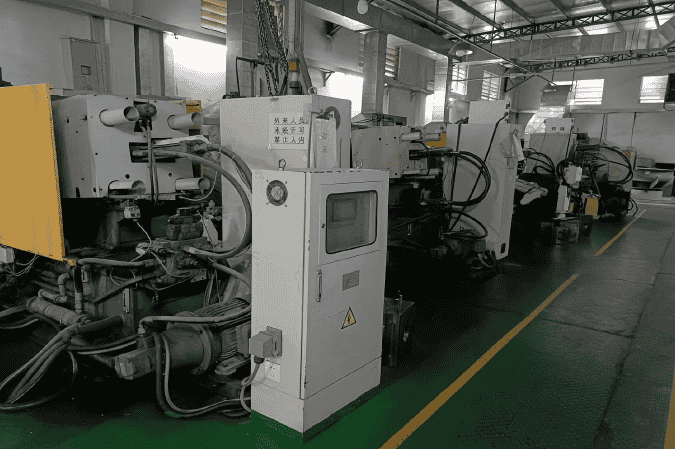
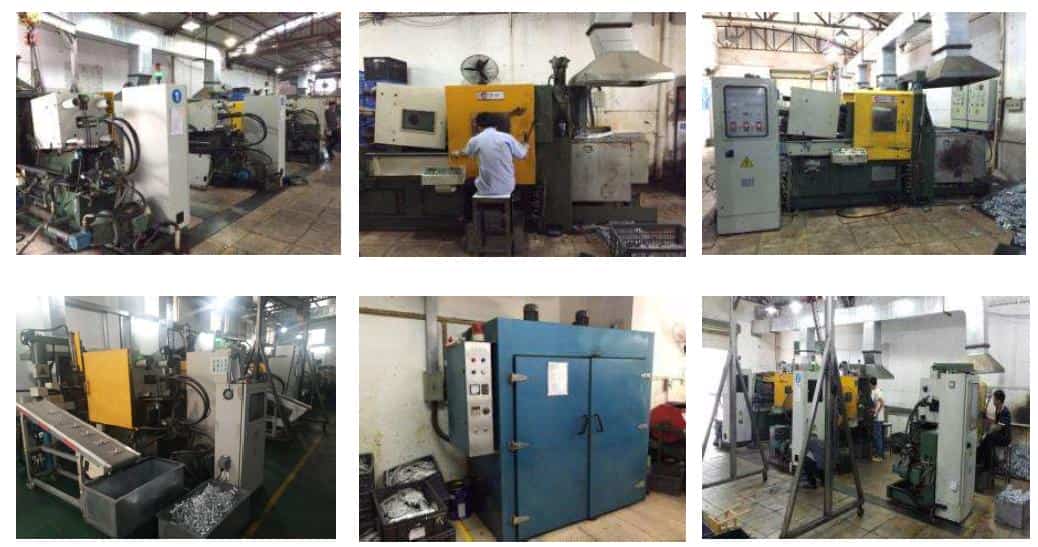
Die casting equipment considered during manufacturing feasibility review
Die casting capability considered during process feasibility.
Prototype output

Review dimensions, assembly, appearance, handling and unresolved engineering questions before tooling approval.

Tooling decision

Record the approved basis, owner, revision and acceptance criteria before commercial setup begins.
Control the project through records and approvals.

FeasibilityReview record and open-question listBuyer confirms requirements and constraints
PrototypeSample review and deviation recordBuyer approves or requests revision
ToolingApproved structure and tooling basisBuyer confirms the frozen direction
PilotPilot checklist and issue dispositionBuyer approves production release criteria
Change controlRevision, reason, impact and effective pointRequired parties approve applicable changes
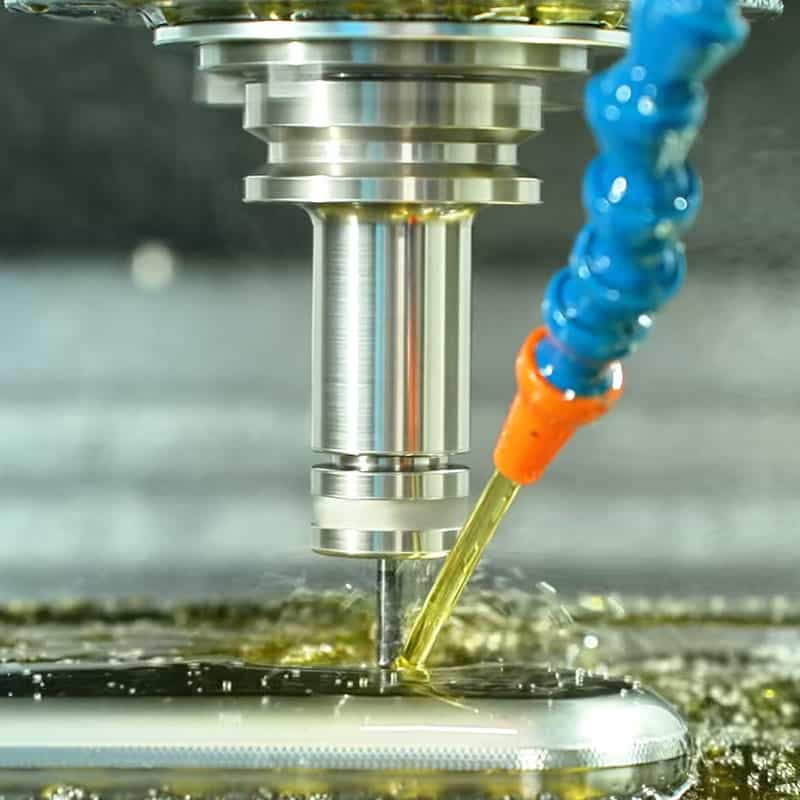
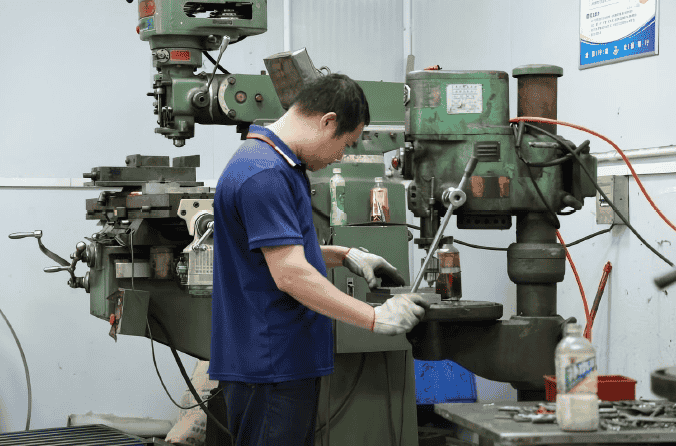
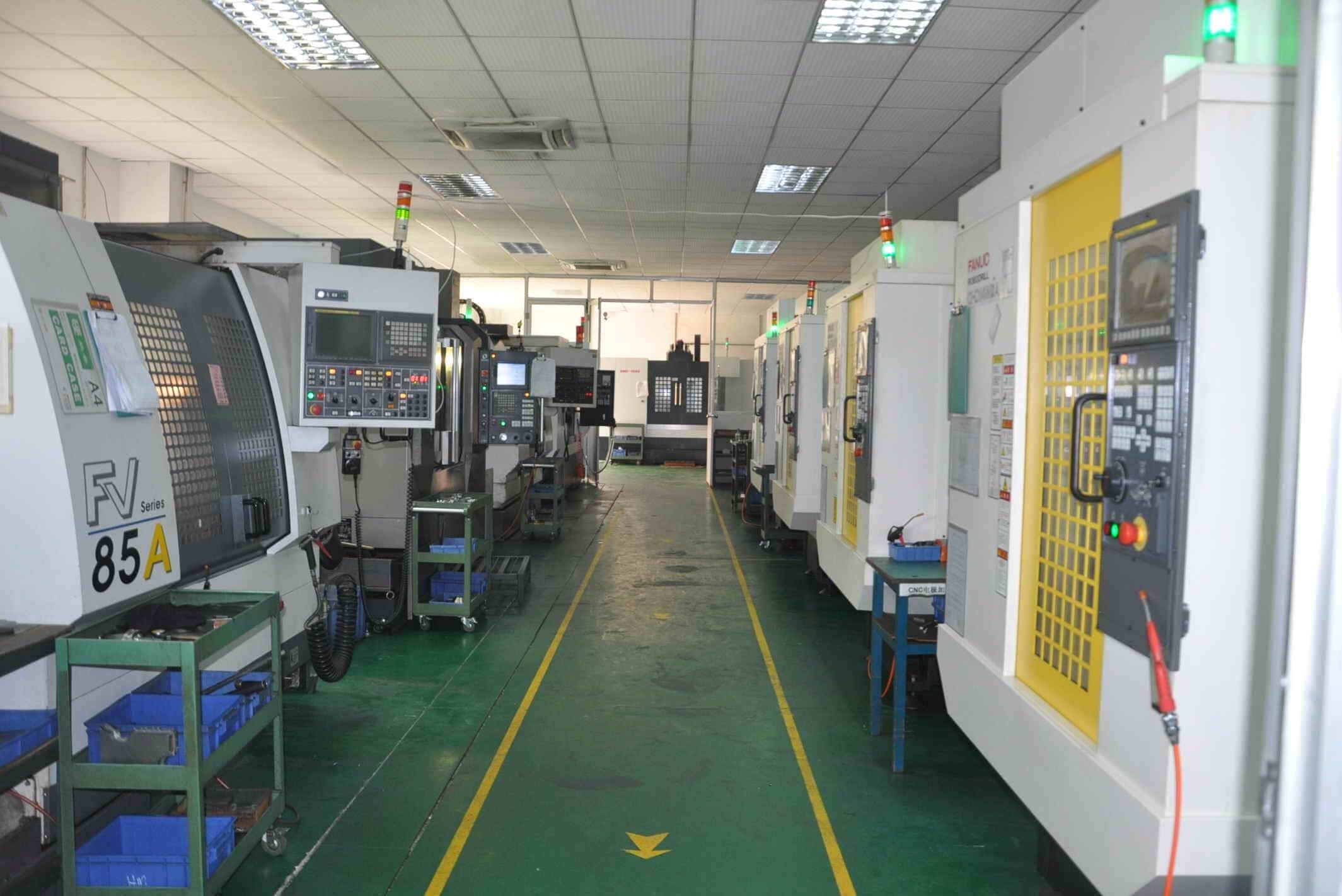
CNC machining workshop supporting tooling and component development
CNC workshop supporting tooling and component feasibility.
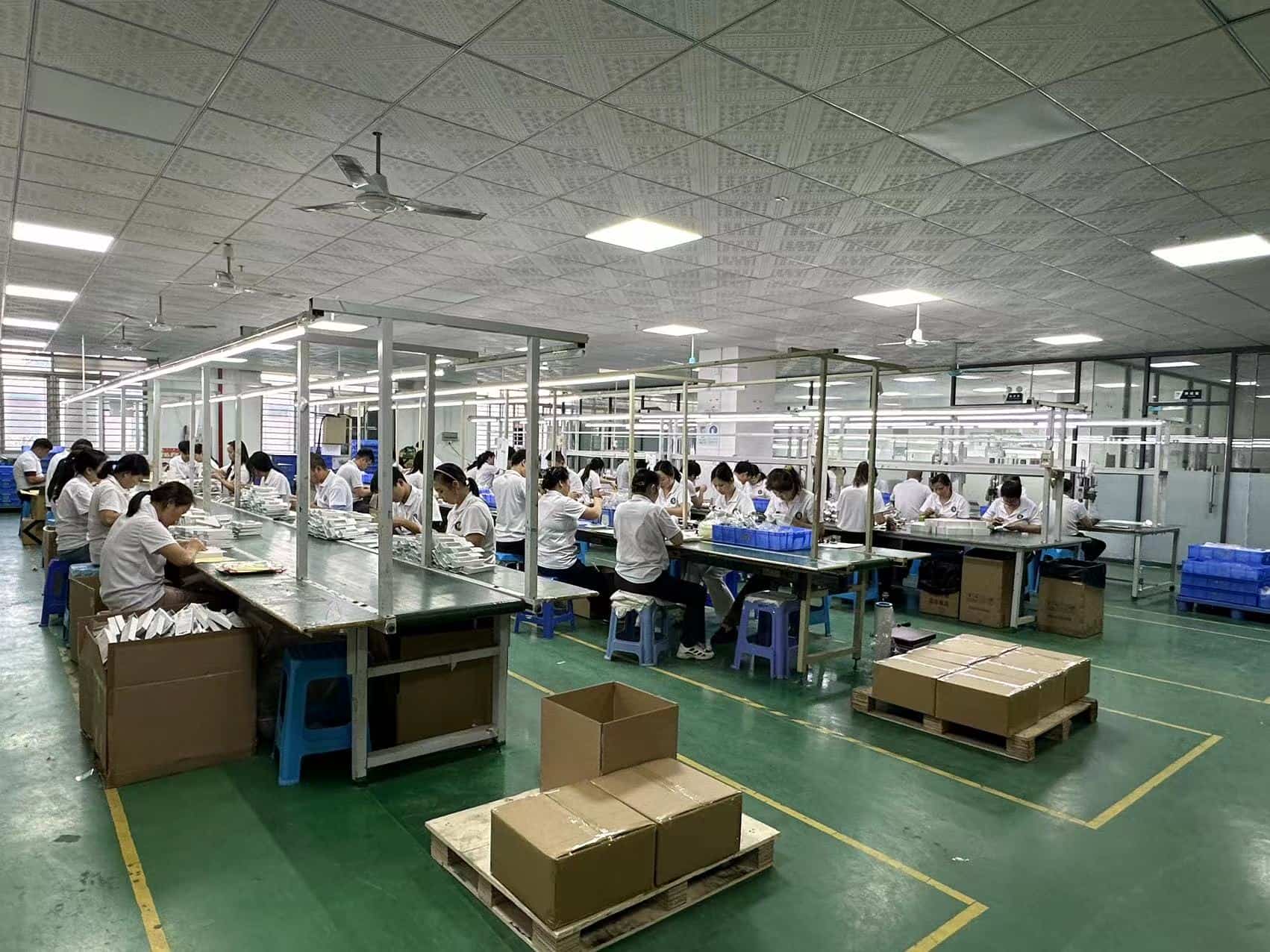
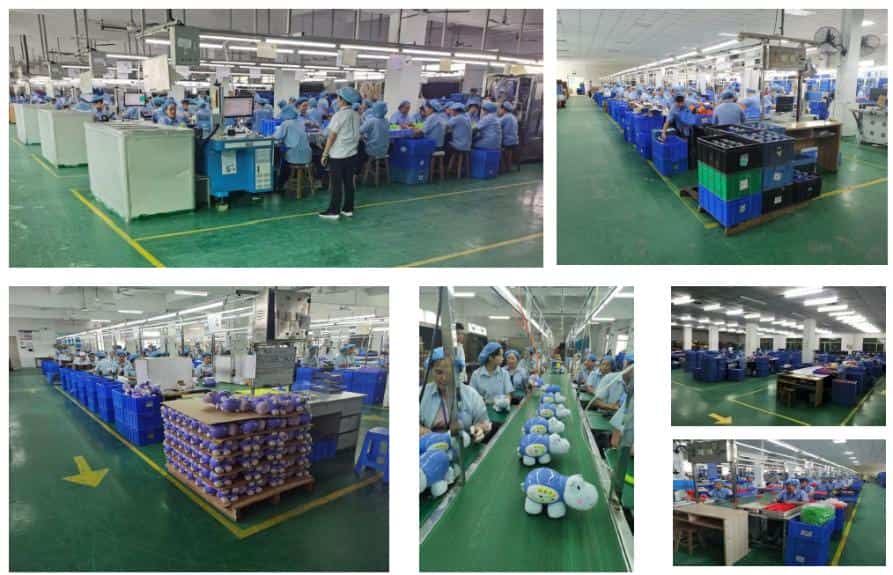
Production line used after project specifications and pilot output are approved
Production line used after approved specifications and pilot review.
Packaging and quality review area supporting controlled production release
Packaging and quality review area supporting controlled release.

Commercial terms follow the approved scope.

All commercial terms are quote-based. A feasibility review is required before reliable commitments can be made.

MOQDepends on product structure, material, process, packaging and production setup.
Development and toolingQuoted against the required engineering, prototype, mold and validation work.
Lead timeConfirmed after scope, approvals, dependencies and production assumptions are defined.

Buyer questions

When should a buyer choose OEM instead of private label?

Choose OEM when an existing product platform needs defined structural, component or performance changes. Private label is the more direct route for branding and packaging an existing product base.

What makes an ODM project different?

ODM involves deeper manufacturer-supported development. The scope may include feasibility review, structure development, prototypes, tooling, pilot validation and controlled production release.

Is there a universal OEM or ODM MOQ?

No. MOQ is evaluated against product structure, material, tooling, aroma or refill scope, packaging, process setup and the proposed production plan.

Which approvals are needed before production?

The applicable route may require product requirements, prototype, appearance, tooling, packaging, pilot output and final production standard approvals. The exact approval set is defined in the project plan.

Who is responsible for destination-market compliance?

SMOHABIT provides available product and project information. Buyers remain responsible for destination-market classification, claims, labeling, import, tax and sales requirements.

Submit the product difference you need.

Share your target format, required changes, quantity assumptions, market and timeline. We will review whether private label, OEM or ODM is the suitable route.

Start Your Private Label Project

Share your target market, sales channel and customization requirements. We’ll recommend the most suitable OEM solution.

Call WhatsApp Email