Start Your Private Label Project

Share your target market, sales channel and customization requirements. We’ll recommend the most suitable OEM solution.

Product-Compatible Aroma Development

Aroma Development for Nicotine-Free Smokeless Inhalers

Develop an aroma direction around the selected product, target customer, sales channel and brand positioning through a structured process of briefing, product-compatible sampling, sensory evaluation and commercial approval.
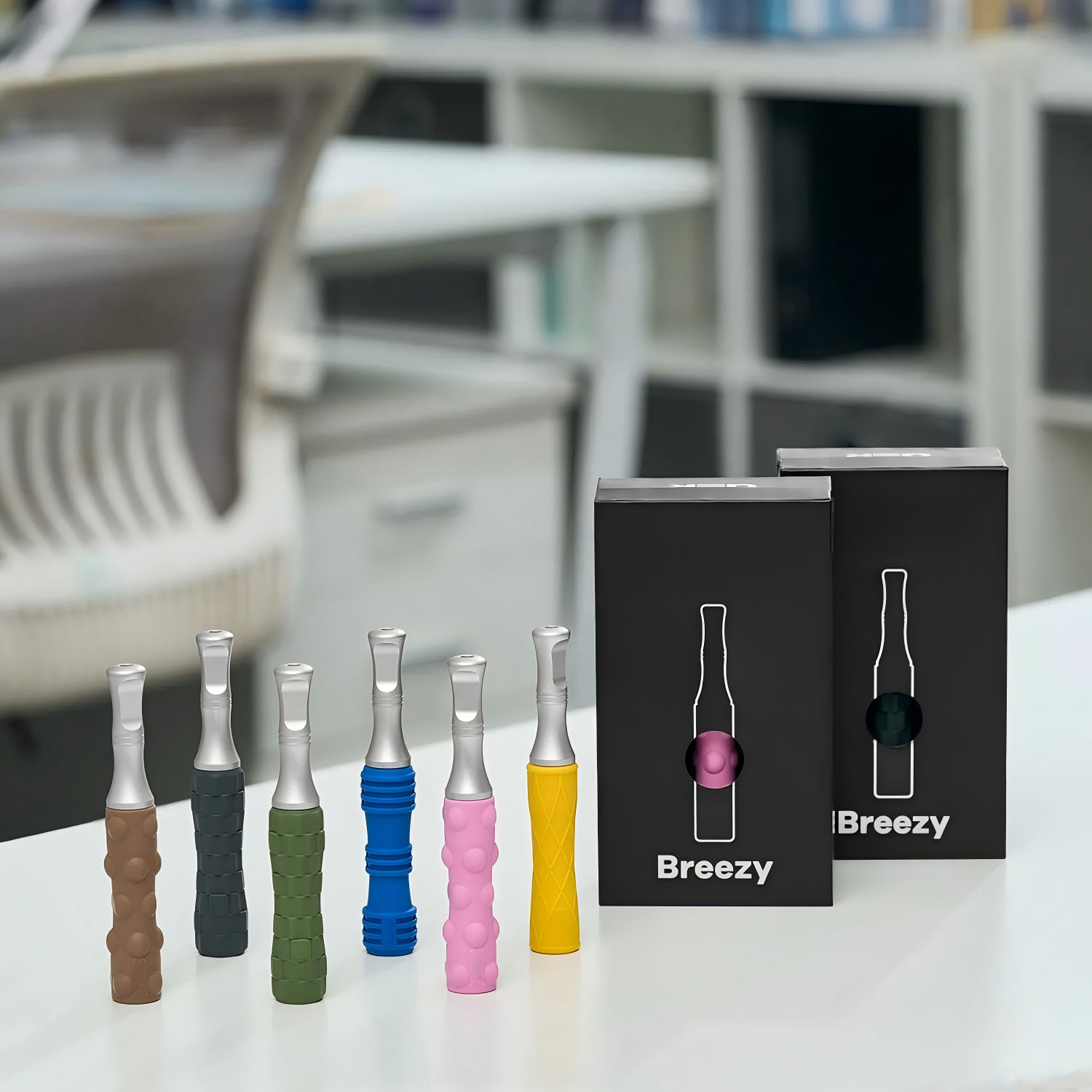
  • Existing Aroma Selection
  • Custom Aroma Direction
  • Product Compatibility
  • Sensory Evaluation
  • SKU Planning
  • Private Label Support
Review Aroma Refill Core
SMOHABIT aroma refill system and nicotine-free aromatic inhaler products
The Final Aroma Must Be Evaluated Inside the Product Aroma impression can change according to the carrier, aroma core, airflow pathway, product format, storage and frequency of use.
How does SMOHABIT develop an aroma?

SMOHABIT begins with the buyer’s target customer, product format, desired sensory direction and commercial channel. The team then reviews available aroma references or custom development feasibility, prepares product-compatible samples, collects structured feedback and confirms the approved aroma, product, packaging and SKU configuration before commercial production.

Three Aroma Development Pathways

Select the level of development that fits the project.

A market-testing order may not require the same aroma-development depth as a differentiated private-label or OEM product program.

Pathway 01

Existing Aroma Selection

Evaluate available aroma directions on an existing disposable, refillable or aroma-core platform.

  • Lower development complexity
  • Product-applied sample evaluation
  • Existing formulation reference
  • Selected aroma assortment planning
  • Suitable for initial market testing
Pathway 02

Aroma Profile Adaptation

Review adjustments to an available aroma direction according to the buyer’s sensory and commercial objectives.

  • Freshness or intensity direction
  • Top-note and base-profile review
  • Brand-positioning alignment
  • Product compatibility evaluation
  • Additional sample revisions may apply
Pathway 03

Custom Aroma Development

Evaluate a new aroma concept based on a defined sensory, product and commercial brief.
  • Custom sensory concept
  • Reference products or aroma samples
  • Product and carrier feasibility
  • Development and sampling costs
  • Project-specific MOQ requirements
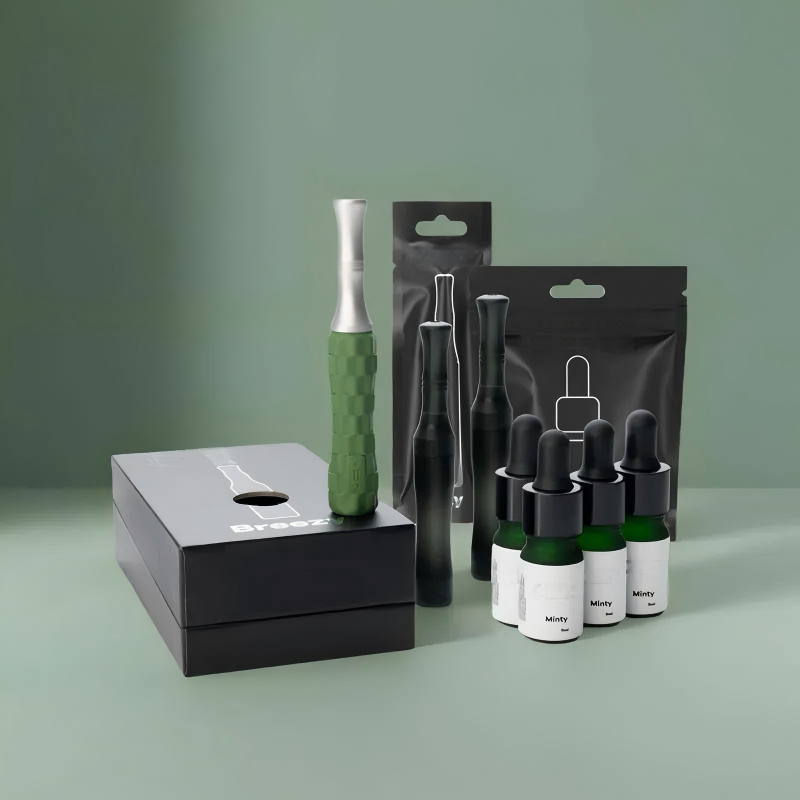
Selected SMOHABIT aromatic inhaler colors and aroma directions
Existing Aroma References

Begin with clear and recognizable sensory directions.

Existing examples include citrus, mint, fruit-inspired and selected botanical-inspired directions.

Final availability depends on the selected product platform, sample status, quantity and production requirements.

Lemon A bright citrus direction with a clean and recognizable sensory profile.
Orange A softer citrus direction with a rounded fruit character.
Grapefruit A sharper citrus direction with a more distinctive peel-like profile.
Mint A fresh mint direction commonly evaluated for a clean aromatic experience.
White Cranberry A fruit-inspired direction with a lighter and less conventional market identity.
Custom Direction Additional fruit, botanical, tea, spice or other sensory concepts may be proposed for feasibility review.
Aroma and Product Compatibility

One aroma formula should not be assumed to perform identically in every product.

Product format, aroma carrier, core material, airflow and replenishment method influence the final user experience.

Disposable Product

Pre-Configured Aroma System

The aroma system is prepared as part of a complete non-refillable product configuration.

  • Ready-to-use product format
  • Defined internal aroma-carrying core
  • Product-applied aroma evaluation
  • No user refill process
  • Complete SKU replacement after use
Refillable Product

Reusable Device System

The aroma direction is evaluated with the reusable product, approved core and defined replenishment method.

  • Reusable product body
  • Compatible aroma component
  • Model-specific refill pathway
  • Use and care instructions
  • Device-and-refill SKU planning
Aroma Refill Core

Replacement Component

A compatible refill core can support replenishment, multipacks and repeat-purchase product programs.

  • Compatibility with selected device
  • Aroma and SKU identification
  • Single or mixed-aroma packs
  • Storage and handling instructions
  • Separate retail packaging options
Eight-Stage Aroma Development Process

Move from a sensory idea to an approved commercial configuration.

Some stages may be combined or repeated according to the selected development pathway.

01 / BRIEF

Define the Objective

Confirm target market, customer, product format, channel, positioning and desired sensory direction.

02 / REFERENCE

Review References

Evaluate existing aromas, written descriptions, reference products or buyer-supplied scent references.

03 / FEASIBILITY

Review the Product System

Confirm whether the intended direction is suitable for the selected product, carrier, core and replenishment method.

04 / SAMPLE

Prepare Aroma Samples

Prepare available references or development samples according to the agreed evaluation purpose.

05 / PRODUCT

Evaluate Inside the Product

Review the aroma after it is applied to the intended core, airflow system or product configuration.

06 / FEEDBACK

Record Structured Feedback

Compare intensity, freshness, balance, persistence and overall market suitability.

07 / APPROVAL

Confirm the Reference

Identify the approved aroma, product, sample version and packaging or SKU information.

08 / PRODUCTION

Release Commercial Production

Confirm the applicable product specification, aroma identification, quantity, packaging and purchase order.

Aroma perception is subjective. An approved aroma sample is a project reference, not a guarantee that every user, environment or use pattern will produce the same sensory impression.
Prepare an Aroma Brief

Describe the customer and sensory objective—not only a flavor name.

Terms such as mint, citrus or fruit are useful starting points, but they do not define the complete sensory target.

The brief should explain how the aroma should be positioned, experienced and organized within the product range.

01 / CUSTOMER Target Adult User Intended customer profile, buying occasion and product expectations.
02 / MARKET Destination Country Target geography, channel and known aroma or ingredient requirements.
03 / PRODUCT Selected Format Disposable product, reusable device, aroma refill core or coordinated system.
04 / FAMILY Aroma Family Citrus, mint, fruit, botanical, tea, spice or another proposed sensory direction.
05 / CHARACTER Sensory Character Bright, soft, crisp, fresh, rounded, dry, sweet or another non-medical descriptive direction.
06 / INTENSITY Strength Preference Lighter, balanced or more pronounced within the intended product configuration.
07 / REFERENCE Comparison Samples Reference products, aroma samples, ingredient notes or written sensory descriptions.
08 / RANGE SKU Strategy Hero aroma, supporting variants, discovery pack or refill assortment.
09 / QUANTITY Commercial Forecast Sample requirement, initial order, quantity per aroma and expected annual volume.
10 / TIMELINE Target Milestones Required aroma sample, approval, packaging and commercial-launch schedule.
Structured Sensory Evaluation

Replace general reactions with comparable feedback.

Feedback such as “good” or “too weak” does not provide enough direction for efficient revision.

Buyers should evaluate samples under similar conditions and record the product version, aroma version and review date.

Evaluation Area Review Question Example Feedback
Initial Impression What is noticed first when air passes through the product? Bright citrus opening, softer mint opening or limited first impression.
Aroma Identity Is the intended aroma recognizable? Clearly lemon, more peel-like, more mint-led or insufficiently distinct.
Intensity Is the aroma lighter, balanced or too pronounced for the intended customer? Suitable, increase slightly or reduce the first impression.
Balance Does one part of the aroma dominate the overall profile? Citrus is balanced, mint dominates or sweet note is too noticeable.
Product Fit Does the aroma suit the selected disposable, refillable or refill-core format? Suitable for disposable trial, stronger in the refill core or requires product adjustment.
Consistency During Evaluation Does the aroma remain recognizable through the planned evaluation period? Stable impression, declines quickly or changes after storage.
Market Positioning Does the aroma fit the intended brand and sales channel? Suitable for a clean lifestyle range, gift set, discovery pack or another stated channel.
Decision What is the next action? Approve, revise, compare with another version or discontinue the direction.
Aroma Sample Types

Approve the right sample for the right purpose.

A standalone aroma reference does not replace final evaluation in the intended commercial product.

Reference Stage

Aroma Direction Sample

Used to compare general aroma families or initial sensory directions before product application.

  • General aroma-family comparison
  • Initial profile selection
  • Reference-only evaluation
  • Not a final production approval
  • Product fit still requires review
Product Stage

Product-Applied Sample

Used to evaluate the aroma with the intended core, airflow, materials and product structure.

  • Disposable or refillable product
  • Applicable aroma core
  • Actual airflow pathway
  • Intensity and balance review
  • Structured buyer feedback
Approval Stage

Pre-Production Reference

Used to confirm the approved aroma together with the final product and SKU configuration before production.

  • Approved aroma version
  • Approved product format
  • Applicable color and design
  • Packaging and SKU identification
  • Written production approval
Claim-Conscious Aroma Language

Describe sensory character without implying medical outcomes.

Aroma names and descriptions should explain the sensory direction, not promise treatment, cessation or physiological effects.

Recommended Language

Use sensory and product-based descriptions.

  • Bright citrus aroma
  • Fresh mint direction
  • Rounded fruit-inspired profile
  • Botanical-inspired aroma
  • Clean and recognizable sensory character
  • Designed for the selected aroma-core system
  • Nicotine-free aromatic inhaler
  • Aroma-based lifestyle product for adults
  • Product-applied aroma evaluation
  • Available subject to configuration
Claims to Avoid

Do not convert an aroma into a treatment claim.

  • Stops nicotine cravings
  • Clinically proven smoking-cessation aroma
  • Treats addiction or dependence
  • Guaranteed stress relief
  • Prevents smoking relapse
  • Medical aromatherapy device
  • FDA-approved aroma formulation
  • Completely safe for everyone
  • Therapeutic inhalation treatment
  • Diagnoses, treats or prevents disease
Aroma Information and Documentation

Confirm which information applies to the approved aroma system.

Aroma-related information depends on the selected formula, carrier, core, supplier documentation, product configuration and target market.

Document availability should be confirmed before the buyer makes packaging, import or marketing commitments.
Certification or documentation for one aroma, material, component or product configuration must not be assumed to cover every aroma, final product or destination market. Buyers remain responsible for confirming local ingredient, labeling, import and sales requirements.
Aroma Identification
Confirms the approved aroma name, internal reference or project-specific SKU identification.
Ingredient Information
Availability and disclosure scope depend on the selected formulation, supplier records and project requirements.
Carrier Information
The applicable carrier or aroma-delivery system should be reviewed for the approved product configuration.
Safety Data Information
SDS or related records may be reviewed where available and applicable to the selected material or formulation.
Product Specification
Identifies the applicable product format, aroma system, core, pack contents and approved configuration.
Factory Documents
Available records may include ISO 9001, BSCI, FDA-related documentation and LFGB where relevant and applicable.
Destination Review
The buyer must confirm local ingredient, language, importer, warning, classification and sales requirements.
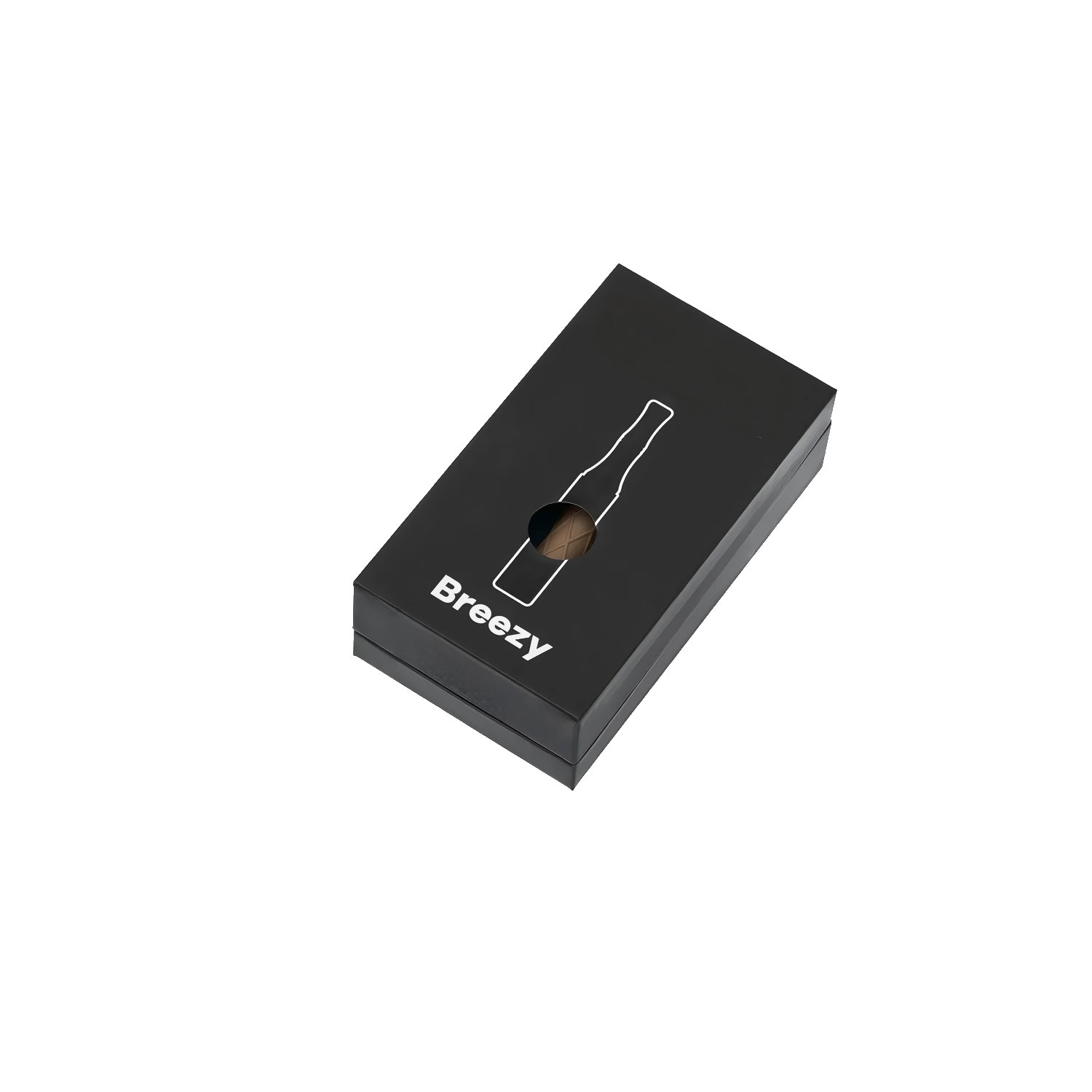
Aroma identification and private label packaging for SMOHABIT inhalers
Aroma Range and Packaging Strategy

Make every aroma identifiable throughout the supply chain.

Aroma names, colors, product codes and packaging should be coordinated from the retail unit to the master carton.

A large number of aroma variants may increase sampling, artwork, inventory and production complexity.

  • 01
    Hero Aroma Select one primary aroma direction around which the initial product story can be built.
  • 02
    Supporting Variants Add a focused number of clearly differentiated aroma options.
  • 03
    Color Coding Coordinate product and packaging colors without relying on color as the only identifier.
  • 04
    SKU and Barcode Assign separate identification where different aroma products require inventory control.
  • 05
    Discovery Pack Combine selected aroma directions for evaluation or customer product discovery.
  • 06
    Refill Range Coordinate reusable products with compatible refill-core packs and replenishment options.
Aroma MOQ and Quotation

Aroma-development cost depends on the project depth.

Existing aroma selection generally requires fewer development resources than profile adaptation or a new custom formulation.

Sample, development, documentation, packaging or project-specific costs may apply and are confirmed after the aroma brief and product configuration are reviewed.

Reference MOQ starts from approximately 1,000 units for selected SMOHABIT-branded market-testing orders.

Reference MOQ starts from approximately 3,000 units for selected logo and packaging customization projects.

Final MOQ depends on product format, packaging configuration, aroma system, customization depth and production requirements.

Existing Aroma
Review available formulations and product-applied samples according to current availability.
Profile Adaptation
Development scope depends on the requested sensory changes and product compatibility.
Custom Development
New concepts may involve separate development, formulation, sampling and approval costs.
Sample Revisions
The number, scope and cost of sample revisions are confirmed for the specific project.
Number of Aromas
Multiple aroma SKUs may affect minimum quantities, sampling, packaging, artwork and production planning.
Documentation
Availability and additional requirements depend on the selected formula, supplier and target market.
Development Timing
Confirmed according to sample availability, revisions, buyer feedback, product testing and approval stages.
Final Pricing
Prepared after product format, aroma scope, quantity, packaging and delivery requirements are defined.
Prepare Your Aroma Inquiry

Provide enough detail for a relevant sample recommendation.

A complete inquiry helps distinguish whether the project needs available aroma samples, profile adaptation or new development.

Reference products or physical aroma samples should be identified clearly when they are supplied.

01 / COMPANY Buyer Information Company, website, country, business model and relevant product experience.
02 / MARKET Target Country Destination market, intended channel and known document requirements.
03 / PRODUCT Selected Format Disposable product, reusable device, aroma refill core or multiple formats.
04 / DIRECTION Desired Aroma Aroma family, sensory character, intensity preference and directions to avoid.
05 / REFERENCE Comparison Material Product links, written descriptions, photos or physical aroma references.
06 / RANGE Number of SKUs Required aroma variants, hero aroma and discovery or refill-pack plans.
07 / QUANTITY Commercial Volume Sample requirement, first order, quantity per aroma and annual forecast.
08 / PACKAGING Presentation Requirements Product color, aroma name, retail box, multipack or refill-pack direction.
09 / DOCUMENTS Information Needs Ingredient, carrier, SDS or other requested information, subject to availability and applicability.
10 / TIMELINE Project Schedule Required sample review, approval, production and launch milestones.
Aroma Development FAQ

Questions buyers ask before evaluating aroma options.

Final availability, samples, documentation, MOQ, cost and timing depend on the selected product and aroma-development pathway.

Which aroma directions are currently available?
Existing examples include lemon, orange, grapefruit, mint, white cranberry and selected botanical or fruit-inspired directions. Final availability depends on the product format, quantity and production configuration.
Can SMOHABIT develop a custom aroma?
Selected custom aroma projects may be reviewed according to the intended product, sensory brief, reference samples, carrier compatibility, quantity, target market and documentation requirements.
Can an existing aroma be adjusted?
Profile adaptation may be reviewed for selected projects. Feasibility depends on the requested change, product system, sample process and commercial quantity.
Is a standalone aroma sample enough for approval?
No. A standalone sample can help select a direction, but the final aroma should also be evaluated in the intended product, aroma core and airflow system.
Can the same aroma be used in disposable and refillable products?
The same sensory direction may be evaluated across different products, but identical performance should not be assumed. Each product format requires its own compatibility and sensory review.
Are all aroma ingredients natural?
The composition depends on the approved formulation. Buyers should not assume that every aroma or component is entirely natural unless the applicable formulation and supporting information confirm that description.
Can SMOHABIT provide a full ingredient list or SDS?
Ingredient information, SDS and related records are reviewed according to the selected formulation, supplier documentation, disclosure scope and project requirements. Availability must be confirmed for the specific aroma system.
Can aroma packaging use wellness or therapeutic claims?
Aroma packaging should use sensory and product-based descriptions. It should not promise smoking cessation, craving relief, treatment, disease prevention or other unsupported medical outcomes.
How many aroma samples or revisions are included?
There is no universal revision allowance. Sample quantity, revision scope, cost and approval stages are confirmed in the applicable project quotation.
What is the MOQ for aroma customization?
Reference MOQ starts from approximately 1,000 units for selected SMOHABIT-branded market-testing orders. Reference MOQ starts from approximately 3,000 units for selected logo and packaging customization projects. Final MOQ depends on product format, packaging configuration, aroma system, customization depth and production requirements.
How long does aroma development take?
Timing depends on the development pathway, sample availability, product compatibility, revisions, documentation, buyer feedback and approval stages. A schedule is confirmed only after the scope is defined.
Does aroma approval guarantee market acceptance?
No. Aroma approval confirms the buyer’s selected project reference. Market acceptance depends on customers, positioning, pricing, packaging, channel execution and other commercial factors.
Start an Aroma Evaluation

Turn a sensory direction into an approved product configuration.

Share your company, target market, selected product, preferred aroma family, sensory direction, reference samples, required variants, estimated quantity, packaging requirements and target timeline. The SMOHABIT team will review available aromas, custom-development feasibility, sample requirements, MOQ and quote-based pricing.

SMOHABIT is a brand of Dongguan Bolan Technology Co., Ltd.

SMOHABIT products contain no nicotine, no tobacco and no e-liquid, produce no vape aerosol, and are not vaping products. Products are intended for adult users and are not intended to diagnose, treat, cure or prevent any disease. They are not smoking cessation products or medical devices.

Start Your Private Label Project

Share your target market, sales channel and customization requirements. We’ll recommend the most suitable OEM solution.

Call WhatsApp Email