No Battery
The product contains no electronic power source, charging system, circuit board or electrical operating mechanism.
SMOHABIT aromatic inhalers contain no nicotine, no tobacco and no e-liquid. They use no battery, electronic circuit, heating coil or combustion and do not produce vape aerosol.
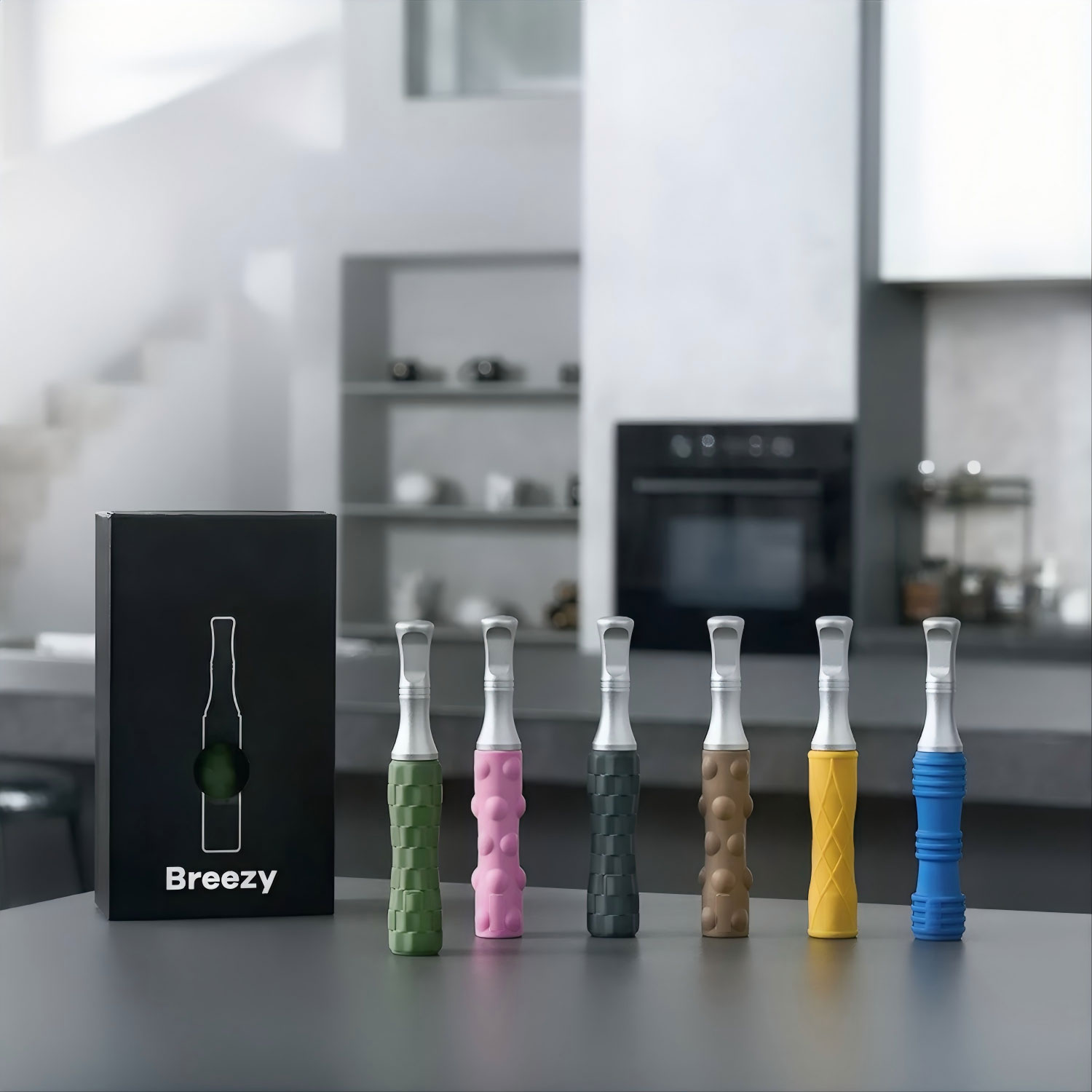
A SMOHABIT inhaler is not a vape because it has no battery, heating coil, electronic circuit or e-liquid and does not generate vape aerosol. It is a passive-airflow aromatic product: air passes through an internal aroma-carrying core without electronic vaporization or combustion.
Visual resemblance alone does not determine how a product operates or what components it contains.
The product contains no electronic power source, charging system, circuit board or electrical operating mechanism.
The product does not heat, boil, atomize or electronically vaporize a liquid.
The product does not contain a vape tank, pod or cartridge filled with electronic-cigarette liquid.
The passive product does not generate the device-produced aerosol associated with electronic vaping products.
Air passes through an aroma-carrying core without electronic activation, heating or combustion.
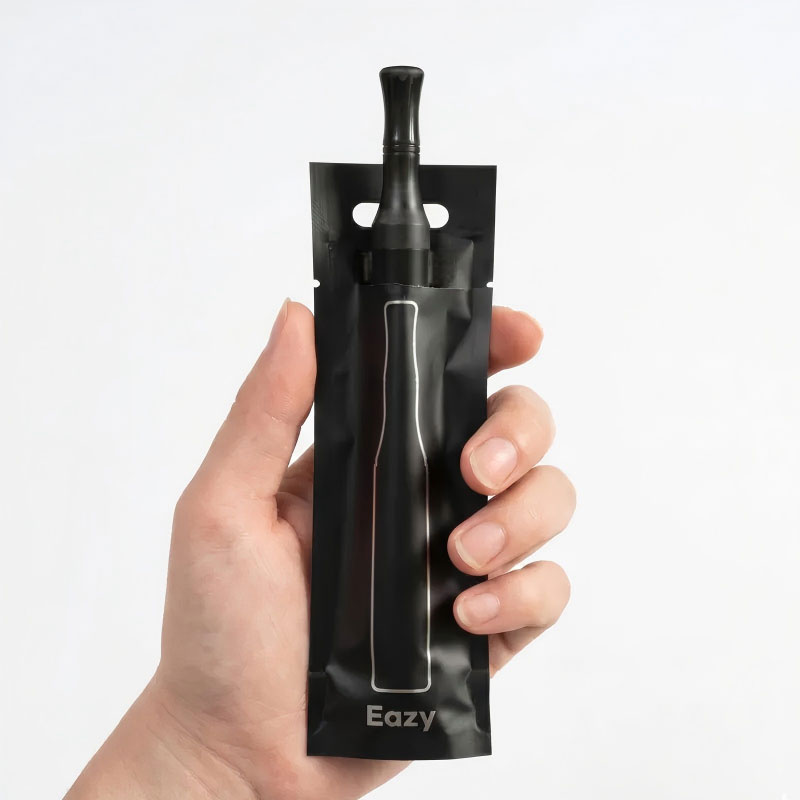
The product contains an internal aroma-carrying core positioned within a passive airflow pathway.
No button is pressed, no electronic circuit is activated and no heating coil converts liquid into aerosol.
The comparison below explains general structural differences. Vape products and local regulatory definitions may vary by market.
| Comparison | SMOHABIT Aromatic Inhaler | Typical Vape Product | Combustible Cigarette |
|---|---|---|---|
| Primary Operation | Passive airflow through an aroma-carrying core | Electronic heating and aerosol generation | Tobacco combustion |
| Battery | No battery | Typically battery powered | No battery |
| Electronic Circuit | No electronic circuit | Typically contains electronic components | No electronic circuit |
| Heating Coil | No heating coil | Typically uses a coil or heating element | Uses combustion rather than a coil |
| E-Liquid | No e-liquid | Typically uses e-liquid, a pod or cartridge | No e-liquid |
| Tobacco | No tobacco | Typically no tobacco leaf, although products vary | Contains tobacco |
| Nicotine | No nicotine | May contain nicotine or may be nicotine-free | Tobacco normally contains nicotine |
| Combustion | No combustion | No tobacco combustion, but electronic heating occurs | Combustion occurs |
| Generated Output | No vape aerosol | Generates an inhaled aerosol | Generates smoke |
| Charging | No charging required | Rechargeable or pre-charged, depending on product | Not applicable |
| SMOHABIT Positioning | Non-electric aromatic lifestyle product for adults | Electronic vaping product | Combustible tobacco product |
This table provides general product-category distinctions and is not a legal classification for every jurisdiction. Importers, distributors and retailers remain responsible for confirming local product classification and sales requirements.
The product formats differ in reuse and replenishment, but neither format uses battery-powered vaporization.
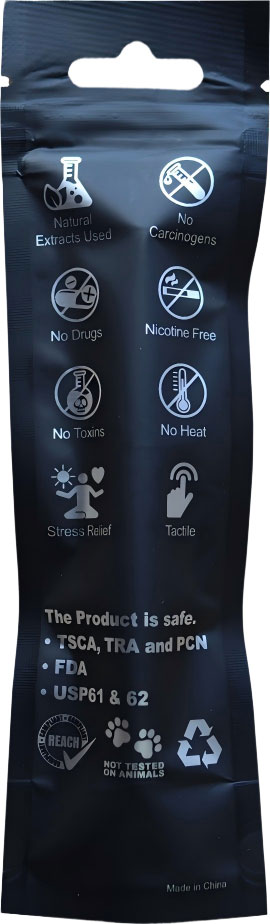
A non-refillable aromatic product supplied as a complete ready-to-use unit.

A reusable aromatic product with a model-specific replacement or replenishment system.
Buyers, distributors and retailers should use terms that describe the product’s actual structure and intended positioning.
Different channels require different information, but the product identity should remain accurate and consistent.
Retail teams need a clear explanation of what the product contains and how it works.
Product titles, images and descriptions should avoid electronic-cigarette terminology.
Shipping information should reflect the actual components and selected product configuration.
Customer communication should explain the aroma-based experience without promising medical outcomes.
Final wording and label content must be reviewed for the selected product and destination market.
B2B buyers should build sales content around confirmed product characteristics rather than medical or behavioral promises.
Use information supported by the selected product configuration and applicable documentation.
Position the product as an aroma-based lifestyle product for adult users.
Do not represent the product as a treatment, regulated health product or guaranteed regulated-outcome solution.
SMOHABIT may provide available product, factory, material and project documentation according to the selected configuration and document applicability.
Buyers must independently confirm local classification, import, labeling, marketplace, retail and sales requirements.
Determine whether a disposable product or reusable device-and-refill system fits the intended business model.
Confirm import, customs, labeling, marketplace and retail requirements for the destination market.
Prepare clear product language explaining passive airflow, non-vape identity and adult lifestyle positioning.
Remove medical, therapeutic, nicotine-replacement and guaranteed regulated health-outcome claims.
A sample kit allows buyers to compare disposable and refillable products, internal structure, aroma directions, packaging and customer communication.
Sample contents, cost and shipping are confirmed according to the selected products and destination.
Product details and documentation depend on the selected disposable or refillable configuration.
Share your company, target market, sales channel, preferred disposable or refillable format, expected quantity, packaging requirements and delivery destination. Our team will review suitable samples, documentation, MOQ and quote-based pricing.
SMOHABIT is a brand of Dongguan Bolan Technology Co., Ltd. SMOHABIT products contain no nicotine, no tobacco and no e-liquid, produce no vape aerosol, and are not vaping products. Products are intended for adult users and are not intended to diagnose, treat, cure or prevent any disease. They are not regulated health-outcome products or regulated health products. Product classification, import, labeling, advertising, age, marketplace and sales requirements may vary by jurisdiction. Buyers remain responsible for confirming destination-market requirements for the final product configuration.