Start Your Private Label Project

Share your target market, sales channel and customization requirements. We’ll recommend the most suitable OEM solution.

OEM & ODM Solutions

Smokeless Inhaler OEM and ODM Manufacturing

Develop nicotine-free, tobacco-free and non-vape aromatic inhaler products with support for product engineering, prototyping, tooling, component development, aroma systems, packaging and commercial production.

  • Product Engineering
  • Prototype Development
  • Tooling and Components
  • Custom Packaging
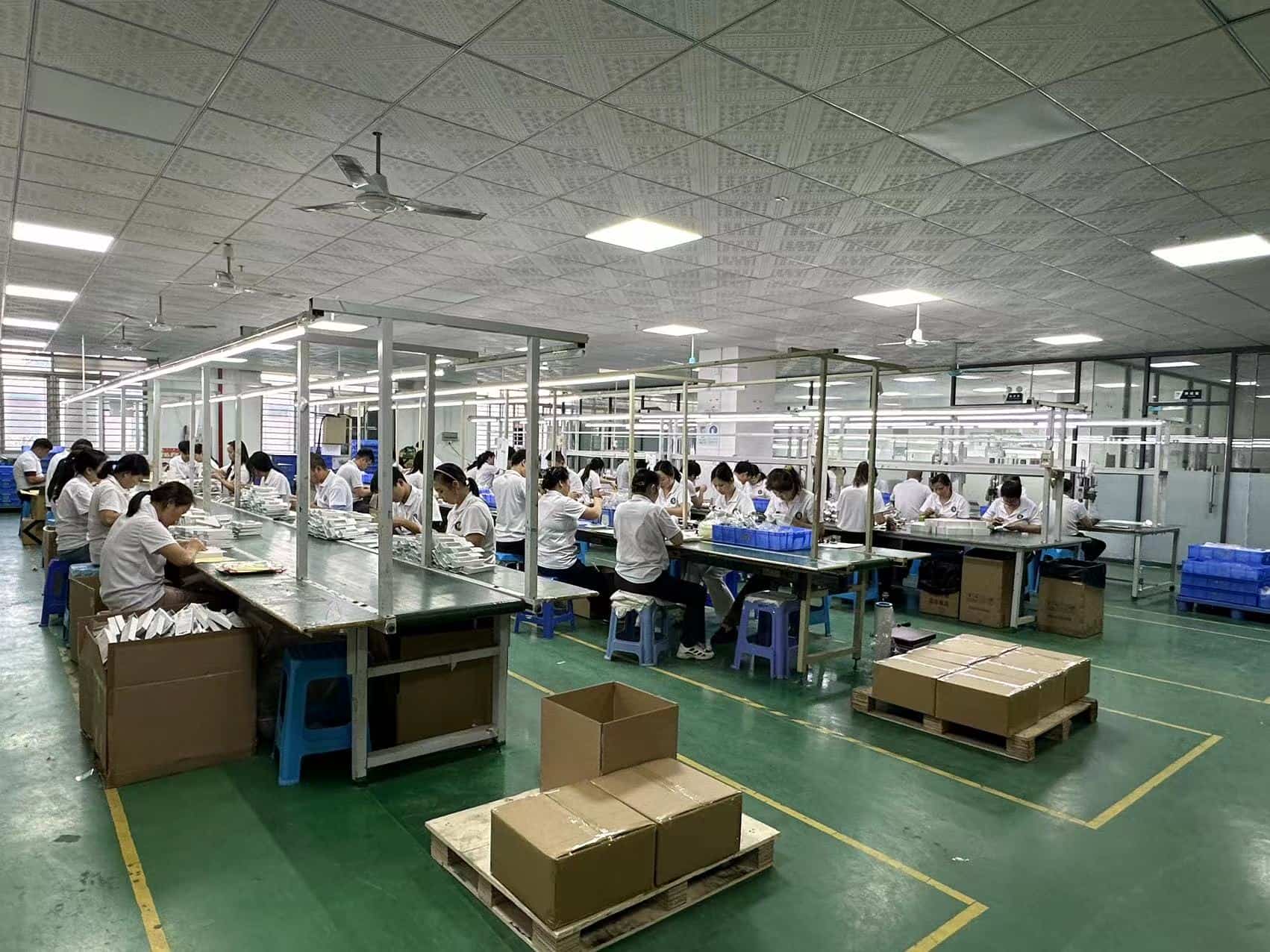
  • Company-Owned Factory
Review Manufacturing
Smokeless inhaler OEM and ODM product engineering at Dongguan Bolan Technology
From Product Concept to Commercial Production OEM and ODM projects are evaluated according to product feasibility, development scope, tooling, quantity, packaging and intended market.
Does SMOHABIT provide smokeless inhaler OEM and ODM services?

Yes. Dongguan Bolan Technology Co., Ltd. supports SMOHABIT OEM and ODM projects through its company-owned factory. Services may include product-structure review, engineering, prototypes, molds, component manufacturing, aroma-system evaluation, packaging development, quality control and commercial production.

Cooperation Models

Understand the difference between private label, OEM and ODM.

Selecting the correct cooperation model helps control development cost, project complexity, lead time and commercial risk.

Private Label

Existing Product Platform

Use a selected existing product and add agreed brand-facing customization.

  • Existing product structure
  • Custom logo and packaging
  • Selected color and aroma options
  • Lower development complexity
  • Faster route to market
OEM

Manufacture to Buyer Requirements

Produce according to buyer-approved specifications, drawings, samples or technical requirements.

  • Buyer-led product requirements
  • Structure and component review
  • Tooling or process development
  • Buyer-approved specifications
  • Project-specific production planning
ODM

Manufacturer-Supported Development

Develop a product direction using the factory’s engineering, manufacturing and supply capabilities.

  • Concept and feasibility review
  • Product-structure development
  • Prototype and tooling support
  • Packaging and production integration
  • Commercial manufacturing pathway
Development Capabilities

Connected capabilities for product, component and packaging development.

The available development path depends on whether the project uses an existing SMOHABIT platform or requires a deeper new-product program.

Product Definition

Requirement and Feasibility Review

Review product purpose, target user, structure, materials, intended channel, quantity and destination-market needs.

Engineering

Product Structure Development

Evaluate outer structure, internal components, assembly, material selection and manufacturing feasibility.

Prototype

Sample and Prototype Support

Prepare or coordinate development samples to review size, structure, appearance and functional requirements.

Tooling

Mold and Tooling Development

Evaluate molds, tooling, machining and production requirements for approved product structures.

Aroma System

Aroma and Refill Evaluation

Review existing aroma directions or assess selected custom aroma and refill-system requirements.

Commercialization

Packaging and Production

Integrate product specifications, artwork, packaging, quality checkpoints and commercial manufacturing.

Development Paths

Start from an existing platform or develop a deeper custom product.

Using an existing structure generally reduces cost and lead time. New structures require more engineering, validation, tooling and production preparation.

Path A / Platform-Based Development

Modify an Existing Product Platform

Suitable for brands that need meaningful differentiation without creating a completely new product structure.

  • Existing disposable or refillable structure
  • Logo and product-surface customization
  • Existing color or external shape selection
  • Selected aroma or refill configuration
  • Custom packaging and product sets
  • Lower tooling and development exposure
  • Faster sample and production pathway
Path B / New Product Development

Develop a New or Deeply Modified Product

Suitable for projects requiring new structures, components, tools or market-specific product solutions.

  • New product concept or external structure
  • New component or assembly requirements
  • Prototype and engineering validation
  • Mold and tooling development
  • Custom material or process evaluation
  • Project-specific testing and quality standards
  • Higher development time and commercial commitment
OEM & ODM Process

A structured route from product concept to commercial supply.

01 / BRIEF

Project Requirements

Define target market, user, channel, product concept, quantity, budget and launch timing.

02 / REVIEW

Feasibility Assessment

Review structure, materials, components, tooling, packaging and manufacturing feasibility.

03 / PROPOSAL

Development Proposal

Confirm the recommended development path, estimated costs, responsibilities and project stages.

04 / DESIGN

Engineering and Design

Refine product structure, components, dimensions, appearance and production requirements.

05 / PROTOTYPE

Prototype Validation

Prepare and review development samples before committing to tooling or commercial production.

06 / TOOLING

Mold and Process Setup

Develop approved tooling, fixtures, components and production-process requirements.

07 / PILOT

Pilot Production

Validate product output, assembly, packaging and quality checkpoints before larger-scale production.

08 / SCALE

Commercial Production

Complete approved manufacturing, inspection, packaging, shipment and repeat-order planning.

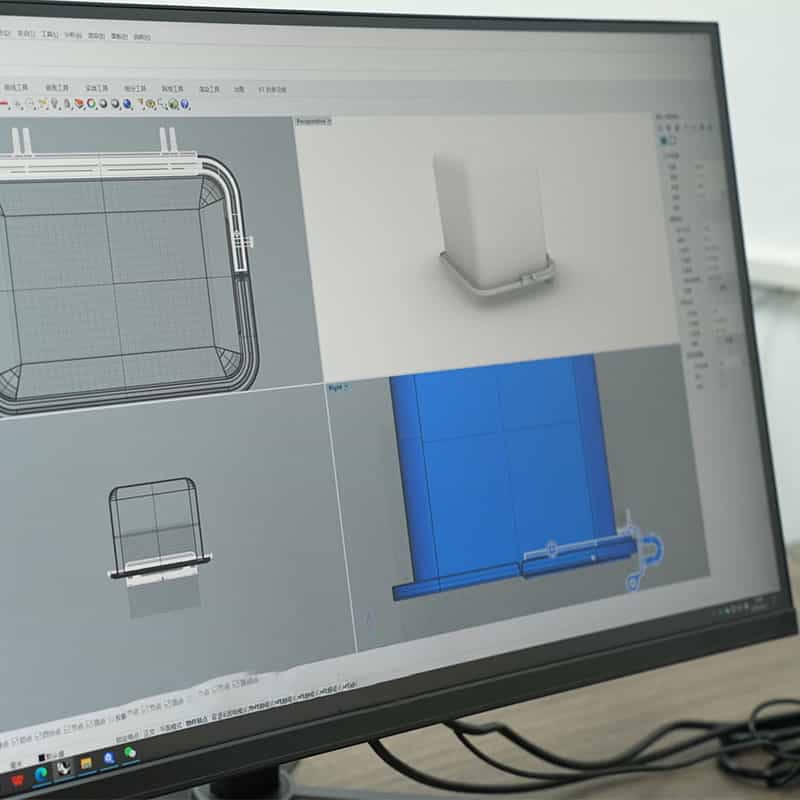
Prototype tooling for smokeless inhaler OEM and ODM development
Product model casting for custom aromatic inhaler development
Prototyping and Validation

Validate the structure before investing in commercial tooling.

A prototype helps the buyer and manufacturing team identify structural, visual and assembly issues before larger tooling and production commitments are made.

Prototype methods and costs depend on the materials, precision, appearance and functional requirements of the project.

  • 01
    Dimensional Review Review product size, proportion and component relationships.
  • 02
    Structure Review Check assembly logic, internal space and component integration.
  • 03
    Appearance Review Assess visual direction, surface treatment and branding area.
  • 04
    Production Review Confirm whether the approved concept can move into tooling and repeat manufacturing.
Tooling and Component Support

Product design must connect to real manufacturing processes.

The company-owned factory supports selected tooling, machining, molding, casting and component-production requirements.

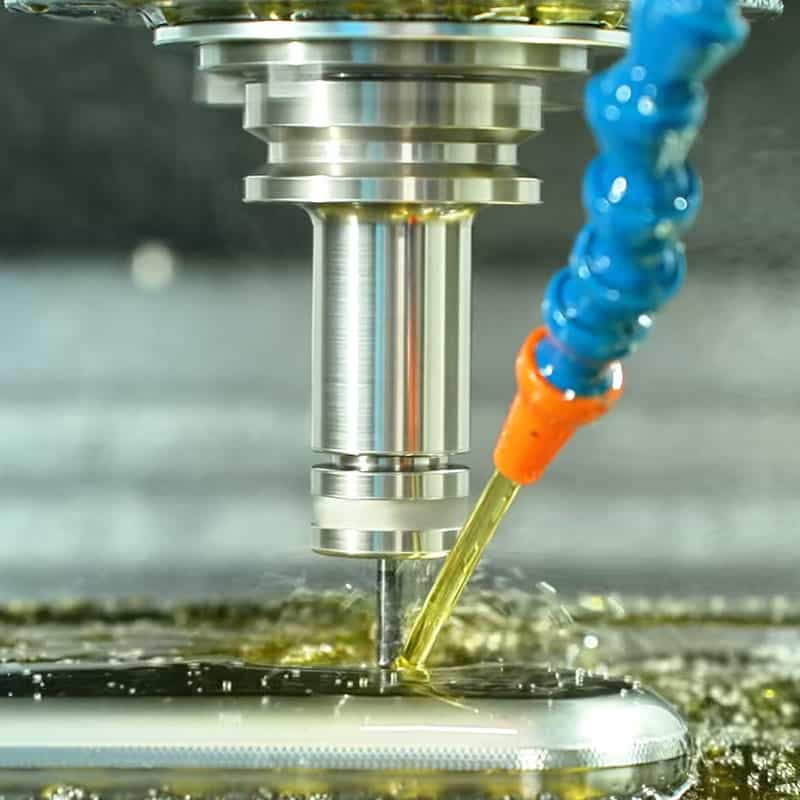
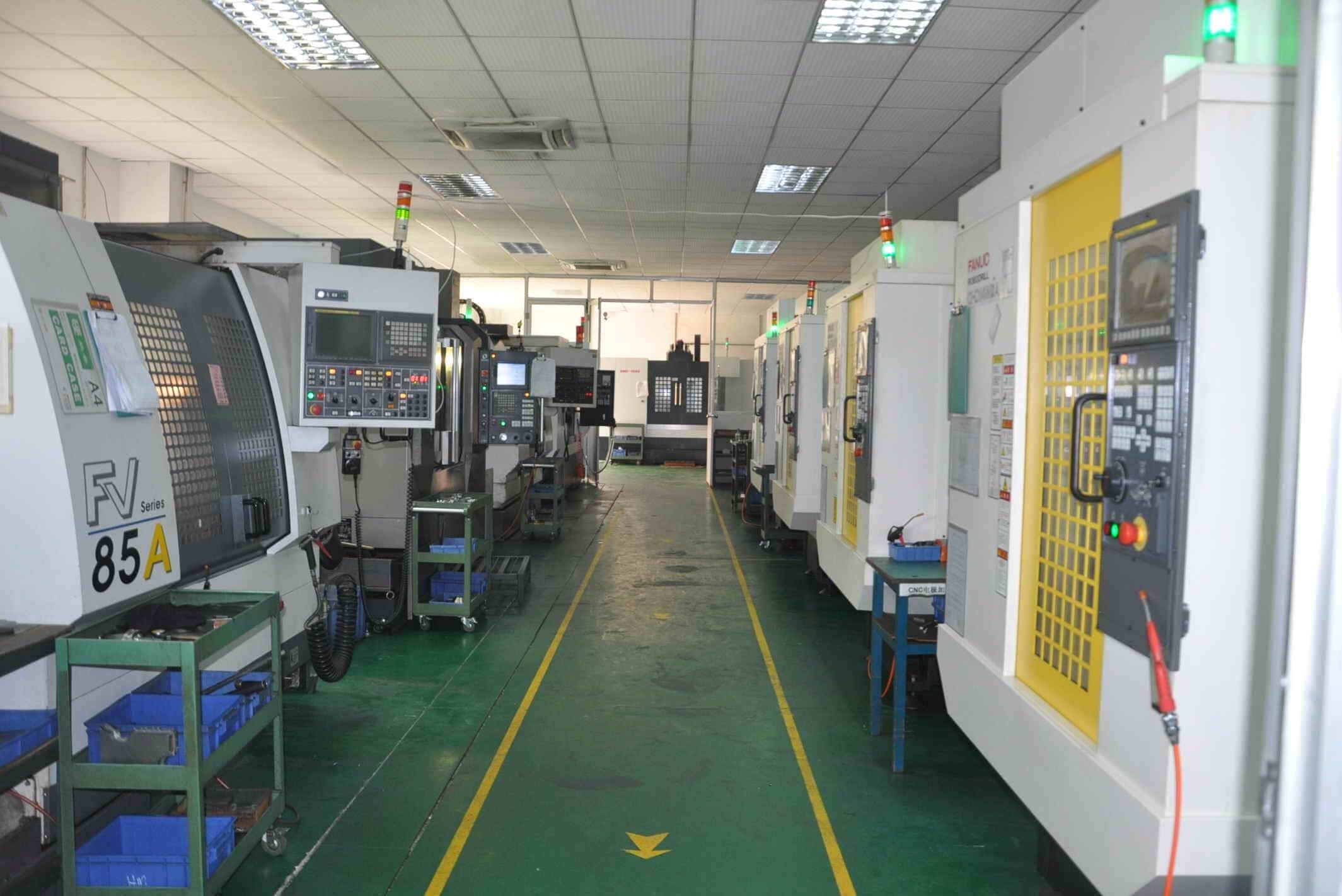
CNC machining workshop supporting OEM and ODM product tooling
CNC Machining

Supports selected tooling, precision-part, fixture and product-development requirements.

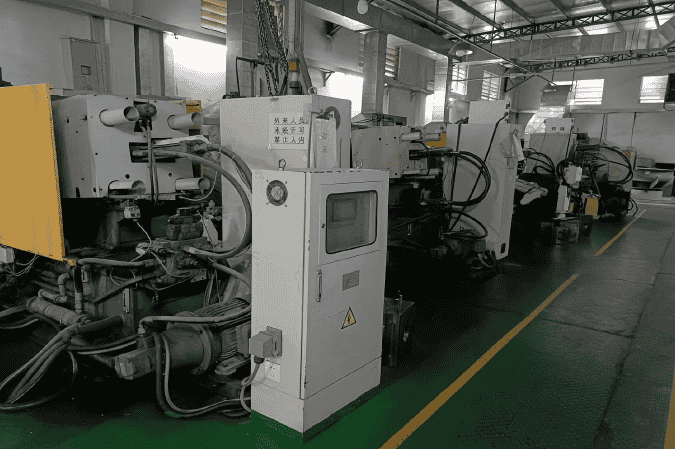
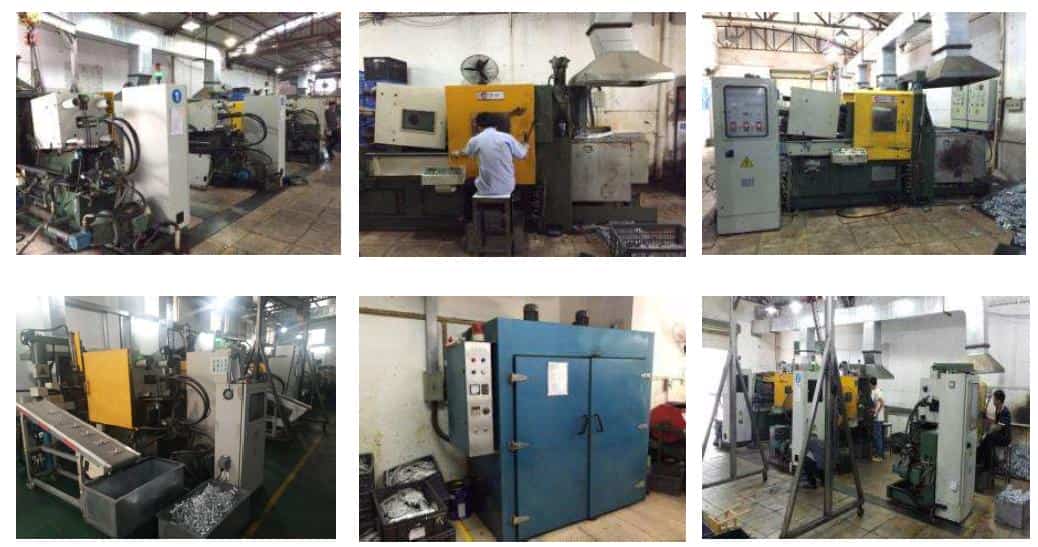
Die casting capability for custom product component development
Die Casting and Metal Parts

Supports selected metal structures, parts and product-component development requirements.

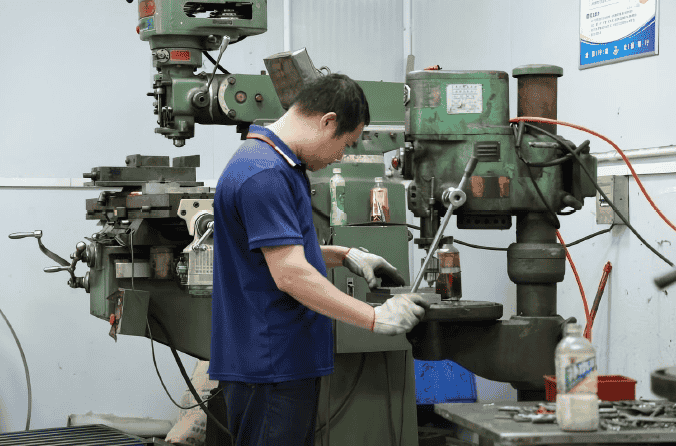
Model and mold development for custom smokeless inhaler products
Model and Mold Development

Supports the transition from approved product concepts to repeatable component and product manufacturing.

Potential Development Scope

OEM and ODM projects can address different parts of the product system.

Every request is subject to feasibility review. Not every concept, material, formula or market requirement can be accepted without technical and commercial assessment.

External Structure

Shape and Product Appearance

Evaluate new external forms, surface textures, dimensions, branding areas and visual differentiation.

Internal System

Components and Assembly

Review internal component arrangement, aroma-core structure, assembly logic and refill-system requirements.

Materials

Plastic and Metal Components

Assess suitable material and manufacturing-process options according to structure, appearance and intended use.

Aroma

Aroma and Refill Direction

Evaluate existing aroma systems, selected formula development and refill-program requirements.

Product Set

Multipacks and Programs

Develop starter kits, refill sets, multi-SKU programs, structured sets and gift-ready product systems.

Retail System

Packaging and Display

Integrate retail boxes, inserts, multipacks, display solutions, master cartons and channel-specific packaging.

Product and Packaging Integration

Product development is incomplete until packaging and logistics are considered.

Packaging affects product protection, user understanding, retail presentation, carton volume and total delivered cost.

OEM and ODM projects should review product and packaging together instead of treating packaging as a final-stage design task.

Product Protection

Structure and materials for handling, storage and shipment.

Product Explanation

Clear non-vape identity, intended use and adult-user positioning.

Retail Presentation

Single unit, multipack, display, starter-kit or gift format.

Logistics Efficiency

Unit packing, inner cartons, master cartons and shipment volume.

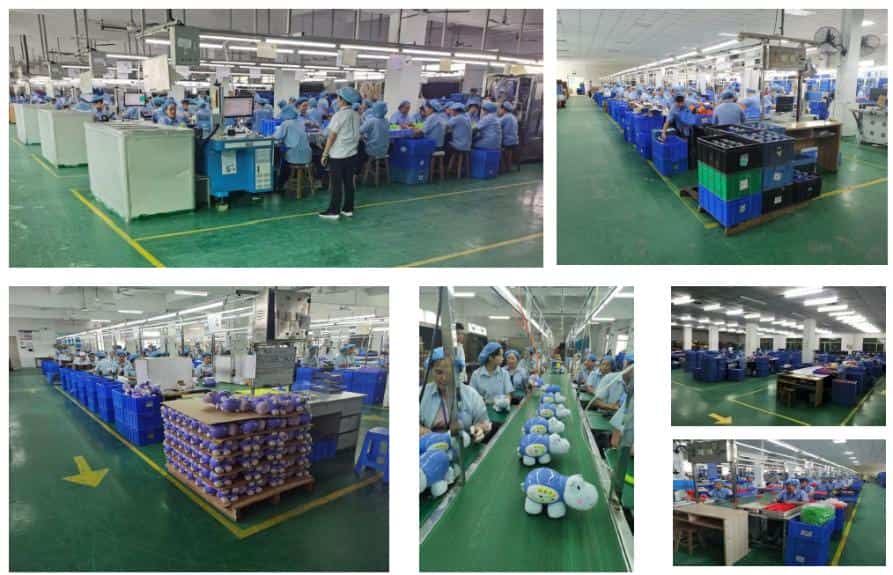
Packaging quality control workshop supporting OEM and ODM projects
Packaging and Quality Review Packaging specifications, artwork, unit quantity and carton configuration should be approved before production release.
Prepare Your Project Brief

Clear initial information improves the quality of the feasibility review.

An OEM or ODM inquiry should explain the commercial purpose of the product, not only the appearance.

Information about your customer, channel, target price and quantity helps determine whether the concept is commercially realistic.

01 / BUSINESS Company and Brand Company name, website, existing brand and product portfolio.
02 / MARKET Target Country Intended destination market and relevant sales requirements.
03 / CHANNEL Sales Model Distribution, retail, Amazon, Shopify, DTC or another channel.
04 / PRODUCT Concept and References Drawings, images, samples, dimensions or functional requirements.
05 / QUANTITY Estimated Volume Pilot quantity, first commercial order and annual forecast.
06 / BUDGET Target Cost Range Target product cost, retail price or commercial price position.
07 / TIMELINE Launch Schedule Required prototype, tooling, production and launch dates.
08 / DOCUMENTS Compliance Requirements Product, material, labeling or market-specific documentation needs.
Commercial Framework

Development cost, MOQ and lead time depend on project depth.

Deep OEM and ODM projects cannot be priced accurately until the structure, materials, tooling, packaging and expected production quantity are reviewed.

All commercial terms are quote-based and confirmed through the formal project proposal.

Existing Platform
Selected logo and packaging projects may use the private-label pathway, with reference MOQ beginning around 3,000 units for suitable configurations.
New Product MOQ
Evaluated according to product structure, tooling, component production and commercial manufacturing requirements.
Development Fee
May include engineering, prototypes, samples, tooling, testing or other project-specific development work.
Tooling Cost
Confirmed after the product structure, materials, cavities, precision and production requirements are reviewed.
Lead Time
Depends on engineering, prototype rounds, tooling, approval, packaging and production preparation.
Intellectual Property
Confidentiality, tooling ownership, design use and project-specific intellectual-property terms should be confirmed in the commercial agreement.
Pricing
Quote-based according to development scope, product cost, quantity, packaging, destination and Incoterms.
Quality and Compliance Integration

Quality requirements must be defined during development, not after production.

The approved product, materials, artwork, packaging and inspection requirements should form one connected project specification.

01 / SPECIFICATION

Product Requirements

Define product structure, materials, components, dimensions, appearance and approved references.

02 / VALIDATION

Sample Approval

Review prototypes, pre-production samples and packaging before larger-scale manufacturing.

03 / CONTROL

Production Checkpoints

Establish appropriate incoming, in-process, packaging and pre-shipment review requirements.

04 / MARKET

Destination Review

Confirm product classification, labeling, import and sales requirements for the intended market.

Start with Product Validation

Evaluate the existing product system before commissioning deeper development.

Existing SMOHABIT products can help buyers understand the category, product structure and aroma system before defining a new OEM or ODM project.

This can clarify which elements should remain unchanged and which elements create meaningful value when customized.

Development Process Video

Review the route from engineering to tooling and production.

The planned video will present product design, prototype preparation, mold and tooling development, component production, packaging and quality validation.

A dedicated OEM and ODM development video will be added after final production. The written process summary remains available for buyers and search systems.

  • Product brief and feasibility review
  • Engineering and prototype development
  • Mold, tooling and component preparation
  • Pilot production and quality validation
  • Commercial production and supply planning
OEM & ODM FAQ

Questions buyers ask before starting product development.

Feasibility, MOQ, cost and lead time can only be confirmed after the project requirements are reviewed.

What is the difference between OEM, ODM and private label?
Private label usually uses an existing product platform with logo, packaging or selected configuration changes. OEM manufacturing follows buyer-approved product requirements. ODM includes manufacturer-supported product concept, engineering and development.
Can SMOHABIT modify an existing product?
Yes. Selected existing product platforms may support logo, packaging, color, shape, aroma, refill or other feasible modifications. The exact scope depends on the product and quantity.
Can SMOHABIT develop a completely new product shape?
New shape and structure projects may be evaluated. Engineering, prototypes, molds, tooling, component requirements, MOQ and commercial feasibility must be reviewed before confirmation.
Can SMOHABIT develop a custom aroma system?
Selected custom aroma and refill-system projects may be evaluated. Formula feasibility, materials, development time, documentation, MOQ and production requirements depend on the project.
What is the MOQ for an OEM or ODM project?
There is no universal OEM or ODM MOQ. Final MOQ depends on product structure, tooling, components, aroma system, packaging and commercial-production requirements. Selected private-label projects may begin from approximately 3,000 units.
How long does product development take?
Lead time depends on design complexity, prototype rounds, tooling, sample approval, testing, packaging and production preparation. A schedule is prepared after the project scope is confirmed.
Who owns the mold and product design?
Tooling ownership, design use, confidentiality and intellectual-property terms should be defined in the specific development and commercial agreement.
What information is required for an OEM or ODM review?
Buyers should provide company information, target market, sales channel, product references, technical requirements, estimated quantity, target cost, timeline and compliance needs.
Are SMOHABIT OEM products smoking-cessation products?
SMOHABIT products are developed as nicotine-free, tobacco-free and non-vape aromatic lifestyle products. They are not medical devices or smoking-cessation treatments.
OEM & ODM Project Review

Share the product you want to modify, develop or manufacture.

Provide your company, market, sales channel, product references, estimated quantity, target cost, packaging, development scope and launch timeline. Our team will review feasibility and prepare the appropriate next-step proposal.

SMOHABIT is a brand of Dongguan Bolan Technology Co., Ltd. SMOHABIT products contain no nicotine, no tobacco and no e-liquid, produce no vape aerosol, and are not vaping products. Products are intended for adult users and are not intended to diagnose, treat, cure or prevent any disease. They are not smoking-cessation products or medical devices. OEM and ODM feasibility, MOQ, cost, lead time, tooling and documentation depend on the specific project requirements.

Start Your Private Label Project

Share your target market, sales channel and customization requirements. We’ll recommend the most suitable OEM solution.

Call WhatsApp Email